

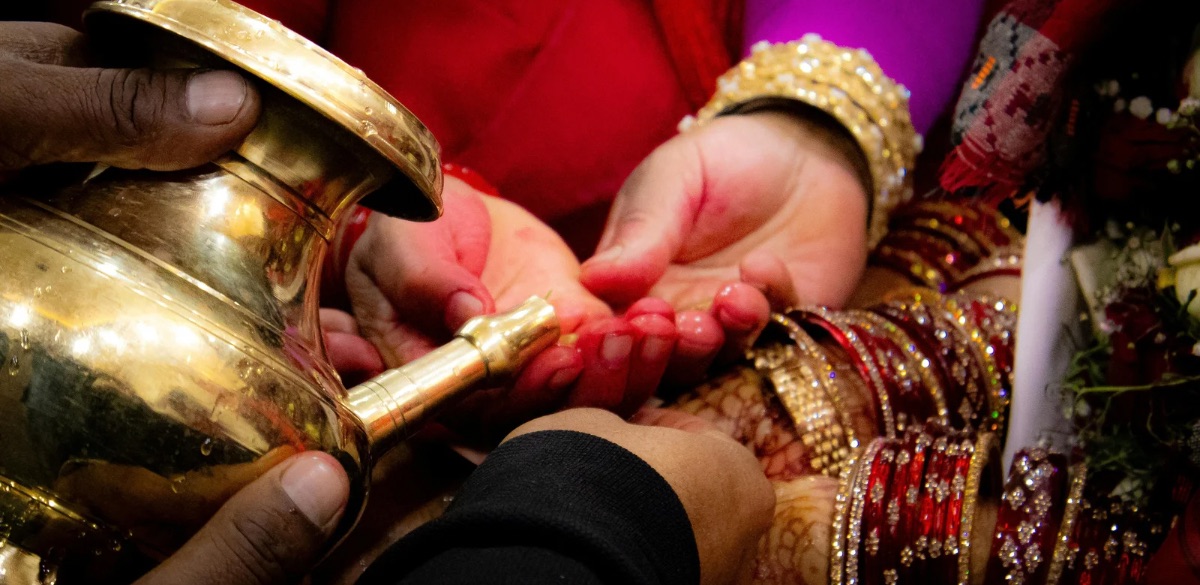
In India, arranged marriages are as tradition, a duty or a milestone – but rarely as an emotional experience. Behind the exchanges of biodata, the families’ discussions and compatibility checks, there is a quieter reality: anxiety.
For many individuals, the arranged marriage is not only the meeting with the life partner, but also it is about navigating uncertainty, expectations, pressure, judgment and life-altering decisions – all at once.
Feeling anxious in the process doesn’t mean the individual is ungrateful, immature or resistant to tradition. It means that the individual is a human being with the emotions.
Why Arranged Marriage Creates Anxiety

Arranged marriages involve high-stakes decision-making under the huge emotional pressures. Unlike dating, where relationships evolve gradually with time, the arranged marriage often demands clarity and commitment within short span of time.
Common emotional stressors include:

- Fear of choosing the wrong life partner;
- Pressure to meet family expectations;
- Anxiety about compatibility;
- Worry about adjusting to a new family environment;
- Concerns about emotional and physical safety; and
- Fear of losing independence.
This combination may be overwhelming even for the emotionally secure individuals.
The Psychological Conflict: Choice vs Obligation
Many people feel themselves trapped between personal desires and familial duty. Even when families are supportive, the emotional weight of tradition may make the individuals feel responsible for the happiness of everyone in both the families.
The inner conflict often creates:

- Decision paralysis;
- Guilt;
- Self-doubt; and
- Emotional exhaustion.
The individuals may question their inner instincts, ignore red flags or rush decisions to avoid disappointing others.
Common Emotional Experiences During the Process
Arranged marriage anxiety does not always look dramatic, rather it appears quietly:
Restless thoughts before meetings;
Constant overthinking after conversations;
Difficulty in sleeping;
Mood swings; and
Loss of appetite or emotional numbness.
These are the signs the processing of uncertainty and pressure by the individuals, who are involved in the match making.
What Actually Helps
Slowing the Process Emotionally
Even if timelines move quickly, the emotional processing by the concerned individual should not be required to respond to instantly. The individuals are required to be allowed to pause, reflect, feel and then respond to situation after due consideration.
Asking Real Questions
The individuals should be allowed to move beyond surface-level discussions. They should be allowed to ask about the values, conflict resolutions, expectations, finances, family roles, emotional needs and future plans.
Not Ignoring Discomfort
Anxiety is not always fear, rather sometimes it is the intuition. If something constantly strikes the minds and hearts of the individuals, they be allowed to explore it and find solutions instead of suppressing it.
Setting Emotional Boundaries
The concerned individuals may be allowed to say:
“I need time.”
“I am not comfortable yet.”
“I want to understand this better.”
It should be remembered that the individuals is choosing a life and not just a person.
The marriage is not only about daily living together by the two individuals but also about emotional safety, communication, respect and shared growth of both the individuals along with their families.
How Families Can Reduce Anxiety
The families may play a powerful and enabling role in shaping emotional safety during the process of settlement of the marriage of their wards by providing them with appropriate environment and resources for evaluation of each other as the suitable life partner.
What may hel:
- Allowing time and space;
- Encouraging honest conversations;
- Avoiding emotional pressure;
- Respecting hesitation; and
- Prioritising mental well-being over timelines.
The timely support reduces anxiety of the individuals far more than the reassurance.
When to Seek Emotional Support
If anxiety becomes overwhelming, causing panic, emotional numbness, constant fear or physical symptoms – speaking to any therapist or counsellor may help create emotional clarity in the decision making.
The support does not mean weakness. It means self-respect for the individuals.
Arranged marriage is not only a cultural process, but also it is a deeply personal emotional journey for both the individuals. Feeling anxious does not mean the individual is unsure about the relationship in the marriage. It means the individual understand the importance and seriousness of choosing the life partner.
The goal of this article is not to eliminate the fear and anxiety in the arranged marriages completely but to create awareness among the families, brides and grooms about the importance of moving forward with awareness, clarity and emotional safety for a stable and better society.
All the individuals deserve the partnership for life, which is built on comfort, trust and mutual respect, not just compatibility on the paper only.
Sources: https://pmc.ncbi.nlm.nih.gov/articles/PMC8550576/