
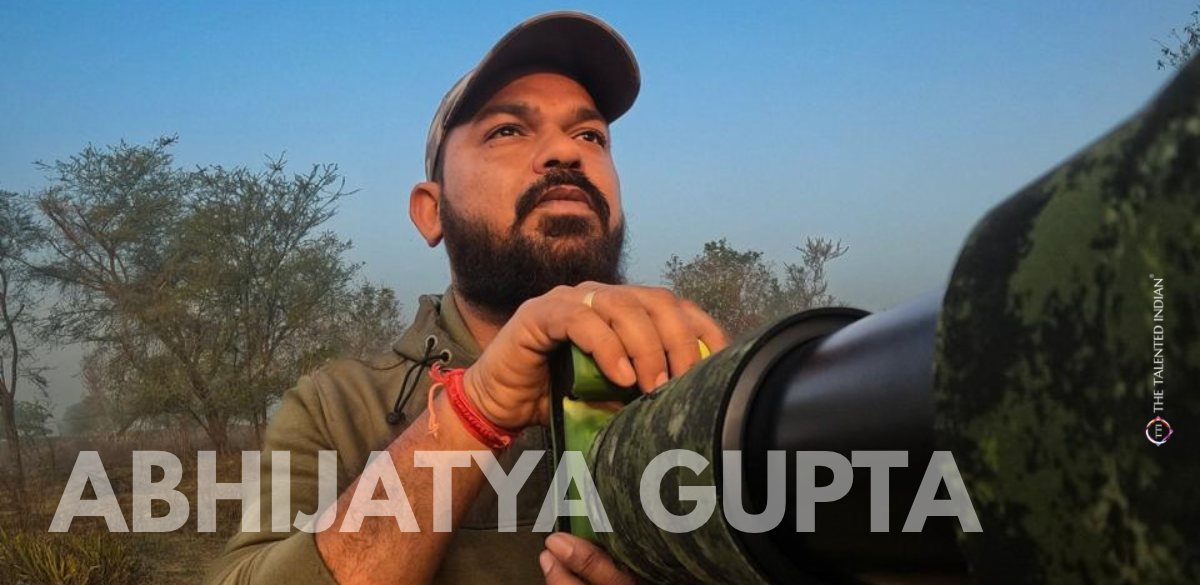
A flying pigeon, blurry, out of focus. That was the first photograph Abhijatya Singh (anamateurphotography) ever took with his DSLR. It was 2018 and he had no idea what he wanted to shoot, street scenes, monuments, fashion, he tried it all. Nothing clicked. Then he turned his camera towards his own balcony and everything changed.
Today, Abhijatya is known online as anamateurphotography (@anamateurphotography), one of India’s rising voices in wildlife photography. But before the hashtags and the highlight reels, he was simply a mechanical engineer from Agra, Uttar Pradesh. He was working in the automotive industry since 2009. He was someone whose only real hobby was holding a camera.
Where It All Began
Abhijatya grew up moving from place to place, a consequence of his father’s transferable job. Photography had been a quiet passion since childhood but it wasn’t until he bought his first DSLR, eight years ago, that the passion found direction.
“I had no idea where and what to click,” he admits about his early days. His first subjects were people and places but portraits of humans never felt like his story to tell. The turning point came when he pointed his lens at the birds outside his own home.

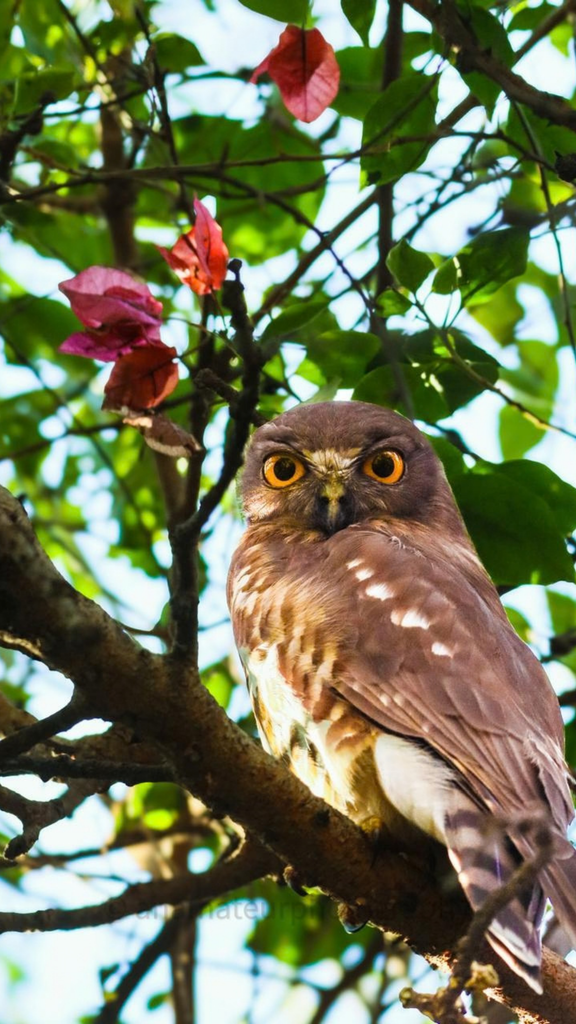
That first flying pigeon shot may have been blurry. But it became a challenge he couldn’t ignore. A month of trial and error later, he finally captured a sharp image of a bird in flight. That one shot shifted something in him. Later, he discovered eBird, a global platform where birdwatchers log and share sightings. He realised just how many people were quietly obsessed with birds. That community pulled him deeper.
The Man Behind the Lens
Before Abhijatya became a name in wildlife photography circles, he was and still is an automotive enthusiast at heart. Driving still remains a hobby he holds close and it often doubles as the reason he travels to new places for photography. His love for mountains, in particular, goes back to childhood trips that kept him rooted in nature long before a camera entered the picture.

What the Wild Has Taught Him
Spending hours, sometimes days, waiting in the wilderness has given Abhijatya a perspective that’s hard to put into words casually but he tries anyway. He speaks about the shrinking wild: deforestation, dwindling animal populations and rising conflict between humans and wildlife. For him, the connection is simple but urgent, protect the food chain or risk everything downstream of it, including ourselves.
That awareness runs through his images. “I always try to convey a message through my content that wildlife is very important to humans,” he says. “The beauty of every animal is unique and incredible.”
Patience, Failure and the Sightings That Never Came
Wildlife photography rarely goes the way people imagine from the outside. Abhijatya is candid about the dry spells: four safaris at Ranthambore that yielded nothing, two failed trips to Rajaji National Park, countless birding expeditions to Sattal, Bharatpur and Uttarakhand that ended without the shot he’d hoped for.
“Wildlife always surprises you in some way,” he reflects. “You don’t get what you went for but sometimes something else, which you have never expected.”

One encounter tested that patience in the most literal sense, coming within a metre of a crocodile in the wild, a moment he still describes carefully, almost cautiously, when asked about it.
The Moments That Changed Everything
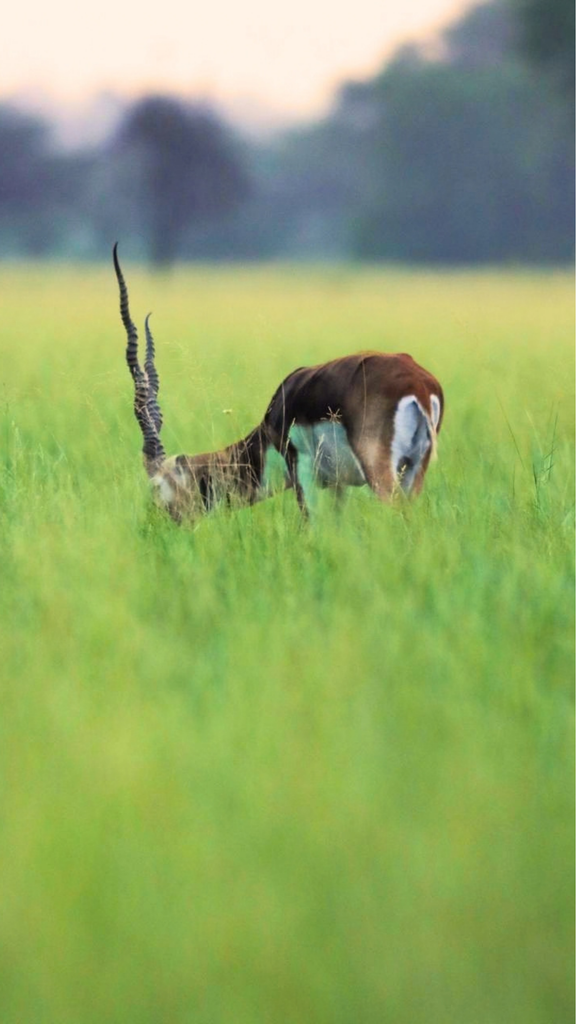
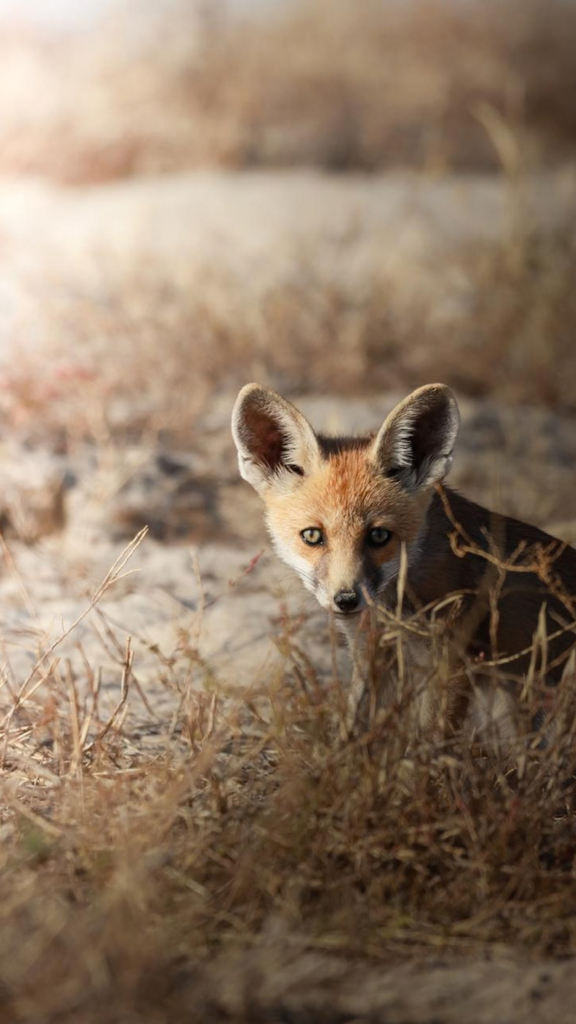
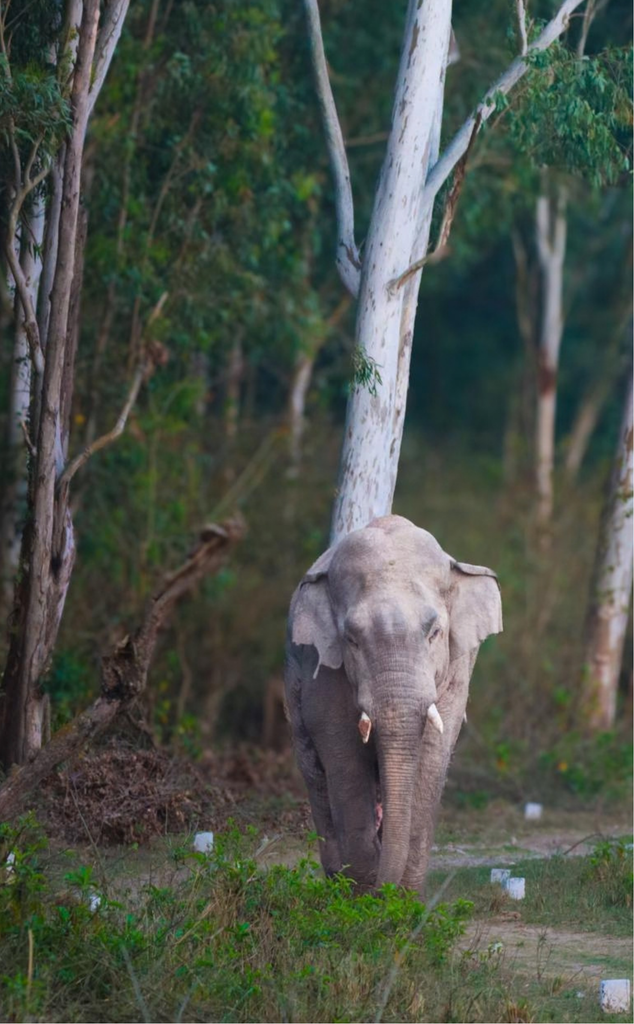
If you ask Abhijatya which sightings stayed with him, the list reads like a wildlife lover’s bucket list, a rare yellow-throated marten at Sattal, blackbucks in Haryana, a desert fox at the Sambhar Salt Lake, the elephants of Rajaji, the crocodiles of Alwar and the documented nesting of an Indian paradise flycatcher. He also speaks with particular fondness of Mahi, Jai, and Ganesh, tigers he has tracked and photographed at Ranthambore Tiger Reserve (RTR).
Of all of them, the yellow-throated marten sighting stands out as both his favourite memory and proof of how unpredictable this pursuit can be.
An Unorthodox Approach
Abhijatya doesn’t follow conventional photography rules. He doesn’t follow the orthodox mindset of photography. He posts only those he feels good about. He draws inspiration from photographers like Varun Aditya and Shaz Jung, both known for experimenting with style rather than sticking to convention, an approach Abhijatya clearly resonates with.
When asked about talent versus hard work, his answer is simple: “Consistency is the key. Keep doing the thing which you love.” He believes talent exists within a person but it’s consistency that keeps the craft alive.
Advice for Young Dreamers
For anyone considering an unconventional creative path, Abhijatya’s advice is direct: “Don’t listen to anyone, even your parents. Do whatever you feel is right for you. Regretting afterwards means nothing to you or to your parents.”
It’s advice that mirrors his own journey as an automotive engineer who let a childhood curiosity about cameras quietly become a second calling.
What’s Next?
Abhijatya’s current project focuses on the leopards of Rajaji National Park, which he has already documented extensively. His next destination is Jawai, in Rajasthan, known for its distinctive leopard population living alongside human settlements among granite hills. If given a wishlist, though, his dream subject lies further afield: the polar bear, a species he hasn’t yet had the chance to photograph.
From a blurry pigeon on a balcony to crocodiles a metre away, Abhijatya’s journey shows that wildlife photography isn’t really about equipment or technique. It’s about patience, consistency and a willingness to keep showing up even when the wild gives you nothing back. His story is a reminder that some of India’s most striking wildlife storytellers didn’t start out as photographers at all; they simply never stopped looking.