

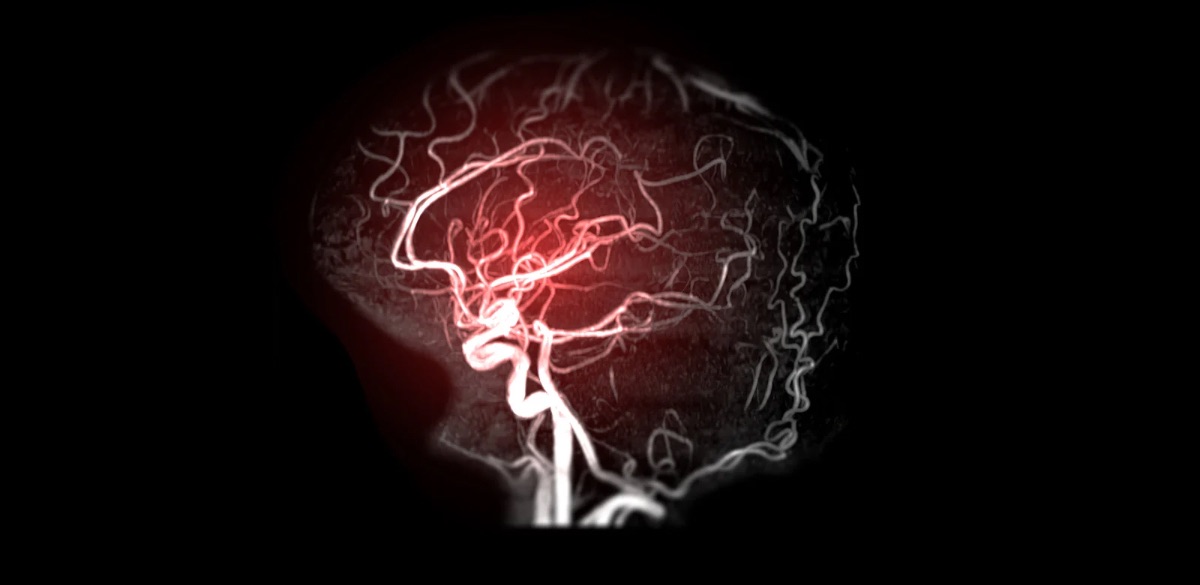
A stroke doesn’t show up quietly. It barges in and splits life in two, before and after and nothing feels the same. One minute, everything’s normal and the next, your body betrays you. Things as simple as talking, walking, or just holding a cup can seem strange and unfamiliar.
- The Body After: Learning Yourself Again
- The Emotional Landscape: Grief Without a Goodbye
- The Silent Shift: Identity and Self-Worth
- The Caregiver’s World: Love, Fatigue and Invisible Weight
- The Importance of Psychological Support
- The Role of Community and Support Groups
- Small Wins, Real Progress
- Moving Forward: Redefining Recovery
- Beyond Survival
Doctors call a stroke a Cerebrovascular Accident. It happens when blood stops reaching part of the brain, either from a blockage or bleeding. Without blood, brain cells start dying quickly. Two main types exist: ischemic strokes from blockages and hemorrhagic strokes from bleeding.
Doctors measure strokes in numbers, timelines, scans, and outcomes. But that leaves out the real story. The story unfolds quietly in hospital rooms, rehab centres, and living rooms. It’s not just about survival. It’s about losing and rebuilding a sense of self.
The Body After: Learning Yourself Again
After a stroke, your body can start to feel foreign.

Maybe your hand won’t do what you ask. The words are in your head, but won’t come out. Balance, coordination, even your smile might change. What used to be automatic now takes all your focus.
It’s not just frustrating, it’s blurry and unsettling.

Picture knowing exactly what you want to say, but not being able to. Or seeing someone you love but struggling to show it. It’s like your body belongs to somebody else.
Getting better is slow and messy. Maybe you lift a finger, put together a sentence, take a step, tiny victories. But setbacks happen too. Plateaus or doubts can make you wonder if you’ll ever feel like yourself again.
The Emotional Landscape: Grief Without a Goodbye
Stroke recovery isn’t just about bodies; it’s deeply emotional.
Survivors grieve, but not for another person. They grieve for the person they used to be.

Gratitude and grief can mix, making feelings tough to name.
Post-stroke depression is common but often goes undetected. Sadness , irritability , emptiness , or numbness can set in , not only because of life changes , but because the brain itself has changed.
There’s anxiety, too. Fear of another stroke. Fear of depending on others. Fear of not getting back to work, or to the life that once felt safe.
And the frustration, when progress crawls, when independence feels distant, or when people don’t get what you’re going through.
The Silent Shift: Identity and Self-Worth
A stroke can mess with how you see yourself.
Someone who was always independent or capable can suddenly feel exposed. Family roles can flip; a provider becomes someone who needs care. A caregiver becomes the cared-for.
This shift can bruise dignity and self-esteem.
Quiet questions start bubbling up:
Who am I now?
Will I ever get back to who I was?
How do I find purpose in this life that looks so different?
There aren’t easy answers. But just asking is an important step.
The Caregiver’s World: Love, Fatigue and Invisible Weight
Behind many stroke survivors is a caregiver living their own tough story.
It might be a spouse , a child , a sibling , or a close friend. Their days fill up with patience, grit and constant attention. They manage daily tasks, medical appointments and emotions, all while balancing their own lives.
Caring can be full of meaning. But it’s draining, too.
Caregivers face:
Exhaustion
Burnout
Loneliness
Guilt for needing a break
Sometimes there’s grief for the life that changed, for themselves and for the survivor.
Often, people forget about the caregiver’s needs. Focus falls on the person who endures the stroke and it’s effects, leaving the caregiver quietly carrying all that weight.
The Importance of Psychological Support
You can’t really heal from a stroke without caring for mental health.
Therapy helps survivors mourn what they’ve lost regain confidence and find ways to cope. Cognitive Behavioural Therapy can break the loop of negative thoughts, anxiety and depression.
For caregivers, therapy can be a lifeline, a place to vent, find support and set boundaries without losing themselves in the process.
Rehab isn’t just about moving your body again. It’s about feeling in charge of your life and balancing emotions.
The Role of Community and Support Groups
Connecting with others changes the game.
Support groups let survivors meet people who truly get it. Sharing stories and small wins eases isolation and sparks hope.
Caregivers need this, too. Groups give practical advice and remind people they’re not alone.
In India, organisations like the Indian Stroke Association push for greater awareness and better resources. Hospitals and rehabs are starting to build support networks that go beyond medicine.
Small Wins, Real Progress
Stroke recovery rarely looks dramatic. It’s built from tiny, stubborn steps.
A walk across the room. A clear sentence. Eating a meal by yourself. These might look small to outsiders, but for survivors, they’re huge.
Noticing and celebrating these moments shifts the focus from what’s lost to what’s possible.
Moving Forward: Redefining Recovery
Life after a stroke isn’t about going back. It’s about adapting rebuilding and finding new ways to live.
Sometimes that means working again. Sometimes it means a new hobby, a changed routine, or fuller moments with loved ones.
Recovery isn’t one-size-fits-all. Everyone’s timeline looks different and so does success.
Beyond Survival
We talk about strokes in terms of what’s broken and what’s gone. But there’s more than that. There’s resilience. There’s vulnerability. There’s a real connection.
Healing covers more than the body. It touches emotions, relationships and the core of what makes us human.
So the best thing we can give, whether as professionals, caregivers, or just people, isn’t just treatment. It’s understanding.
Because in the end, what matters most is that no one has to face all this alone.