

India’s Traditional Knowledge Systems preserve wisdom passed through generations. They blend science, spirituality, and community practices. Ancient texts, oral traditions, and rituals strongly influence their growth. Agriculture, medicine, and architecture reflect this deep cultural foundation. Ayurveda guides health choices in homes and clinics today. Yoga shapes daily routines, promoting balance and resilience. Handloom crafts sustain livelihoods while preserving cultural identity. These systems continue shaping everyday life with timeless relevance and practical strength.
- Ayurveda, Yoga, Vastu, and Ancient Sciences
- Poetry, Epics, and Rituals: Cultural Legacies of India’s Timeless Knowledge Systems
- Global Bridges of Wisdom: India’s Knowledge Systems Inspire Worldwide
- Forgotten Treasures: India’s Knowledge Systems in Science, Art, and Resilience
- Traditional wisdom inspires holistic learning beyond rote academics.
- Modern Conflict
- Conclusion

Ayurveda, Yoga, Vastu, and Ancient Sciences
Masterpieces of India’s Enduring Wisdom and Global Influence. Ayurveda stands as India’s Traditional Knowledge System guiding holistic health. Yoga strengthens body, mind, and spirit worldwide. Vastu Shastra shapes architecture with harmony and balance. Astronomy and mathematics advanced global scientific thought. These systems contributed sustainable practices, medical insights, and cultural resilience. They influenced societies through healing, design, and intellectual breakthroughs. India’s Traditional Knowledge Systems are considered masterpieces for their timeless wisdom and universal relevance. They embody creativity, precision, and deep cultural continuity. Their impact endures, inspiring communities and shaping global knowledge with remarkable strength and vision.
Poetry, Epics, and Rituals: Cultural Legacies of India’s Timeless Knowledge Systems
India’s Traditional Knowledge Systems nurtured culture through poetry, epics, and sacred rituals. They enriched literature with myths, philosophy, and wisdom. Oral traditions carried stories that shaped collective identity and moral values. These systems left legacies of sustainable practices, spiritual guidance, and artistic excellence. They preserved architecture, medicine, and crafts that continue inspiring communities today. Their significance lies in blending science, art, and spirituality into everyday life. They stand as masterpieces of human creativity and resilience. Their wisdom continues guiding society while influencing global thought with timeless relevance and cultural strength.

Global Bridges of Wisdom: India’s Knowledge Systems Inspire Worldwide
India’s Traditional Knowledge Systems spread culture through trade, migration, and shared spiritual practices. Yoga travelled across continents, inspiring wellness movements. Ayurveda influenced global medicine with natural healing and preventive care. Indian mathematics shaped astronomy and science in distant lands. These systems created bridges of knowledge, art, and philosophy worldwide. Their global impact lies in promoting harmony, sustainability, and intellectual growth. Nations adopted practices that enriched health, architecture, and education. They are recognized for timeless wisdom and universal relevance. Respect follows their ability to unite tradition with innovation across cultures. Their legacy continues shaping humanity with enduring strength and creativity.

Forgotten Treasures: India’s Knowledge Systems in Science, Art, and Resilience
Ancient Indian metallurgy produced rust‑resistant iron pillars still standing today. Vedic texts described surgery centuries before modern medicine. Traditional water harvesting systems sustained villages during droughts. Sanskrit grammar by Panini influenced global linguistics and computational thought. Indigenous cotton weaving shaped global textile trade long before industrialization. Temple architecture encoded astronomical alignments with remarkable precision. Oral storytelling preserved epics that guided moral and cultural life. These forgotten facts reveal India’s Traditional Knowledge Systems as timeless treasures of science, art, and resilience.

Artists speak: Prof B. Mahadevan, Professor of Operations Management at IIMB, gave a speech. It is available on the you tube handle https://youtu.be/ivwqpCtdkdA
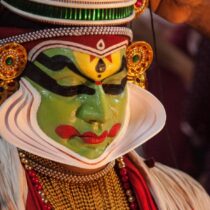
Prof. B. Mahadevan’s speech emphasizes the enduring relevance of India’s traditional knowledge systems, highlighting their contributions to mathematics, science, culture, and ethics, while urging the younger generation to rediscover and apply these lessons in modern life.
The Speaker is Prof. B. Mahadevan, IIM Bangalore. The focus was on Indian Knowledge Systems (IKS) and their modern relevance. He spoke at the Indian Knowledge Systems Conference hosted by Chanakya University. He focused on reviving and contextualizing India’s millennia-old intellectual traditions. Ancient India advanced astronomy, algebra, and medicine. These systems still offer practical applications in today’s technological age. Dharma, or ethical duty, guides culture and ethics. Texts like the Bhagavad Gita and Chanakya Niti remain relevant for leadership and governance. India’s younger generation craves knowledge like never before.
Traditional wisdom inspires holistic learning beyond rote academics.
India’s intellectual heritage stands as a living framework, not just history. Ancient insights blend seamlessly with modern problem-solving. The speech urges Indians to reconnect with intellectual roots. This reconnection fosters pride and confidence in cultural heritage. Ancient systems solve ethical dilemmas, promote sustainable living, and ensure balanced growth. Reviving traditions enriches global discourse on science, ethics, and education. Prof. Mahadevan’s message is clear. India’s knowledge systems are timeless treasures. These treasures guide modern society toward wisdom, balance, and ethical progress. He inspires audiences to see the past as a toolkit for the future. Students must learn beyond textbooks and embrace holistic wisdom. Educators should integrate traditional knowledge into modern curricula. Society must use ethical frameworks from Indian traditions to face contemporary challenges.
2. Professor G. R. Sinha on the you tube handle https://youtu.be/D3f3jIcEZho
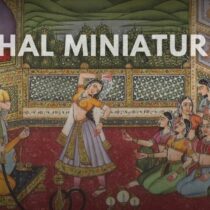
The video introduces India’s traditional knowledge systems and explains their relevance today. It defines Indian Knowledge System as collective wisdom from India’s ancient traditions. These traditions cover philosophy, science, arts, and culture. The speaker explains why IKS matters in modern times. He highlights its importance under the National Education Policy 2020. Professor G. R. Sinha shows how IKS can inspire innovation and sustainable living. He stresses its role in holistic education. In arts, the video explores music, literature, and visual traditions. These art forms carry cultural identity and values. The speaker urges recognition of IKS as vital heritage.
He encourages integration of IKS into education and daily life. He emphasizes its role in building a balanced, meaningful future. The central message states India’s knowledge traditions are living systems. These systems guide modern society toward sustainability, creativity, and holistic growth.
Modern Conflict
India’s Traditional Knowledge Systems face conflict between tradition and modern demands. Globalization challenges authenticity and cultural continuity. Commercial exploitation often ignores community rights and sacred origins. Patents on ancient practices spark disputes over ownership and recognition. Youth sometimes dismiss traditional wisdom as outdated or irrelevant. Technology reshapes rituals, reducing oral transmission and lived experience. Market forces push cheap imitations over authentic crafts and medicines. These conflicts highlight tension between preservation and adaptation in modern society. The struggle continues as communities defend heritage while navigating global change.
Conclusion
India’s Traditional Knowledge Systems carry timeless wisdom into modern lives. They connect hearts through culture, science, and spirituality. Generations preserved them with devotion, shaping identity and resilience. Their stories inspire pride, belonging, and emotional strength today. Readers must cherish these legacies as living treasures of humanity. By embracing them, we honour heritage and nurture global harmony. Their spirit endures, urging us to protect and celebrate tradition. Let these masterpieces guide your soul with wisdom and hope.
Check out our latest article “Chola Sails Across Oceans: Trade, Power and Cultural Glory” Here!

