
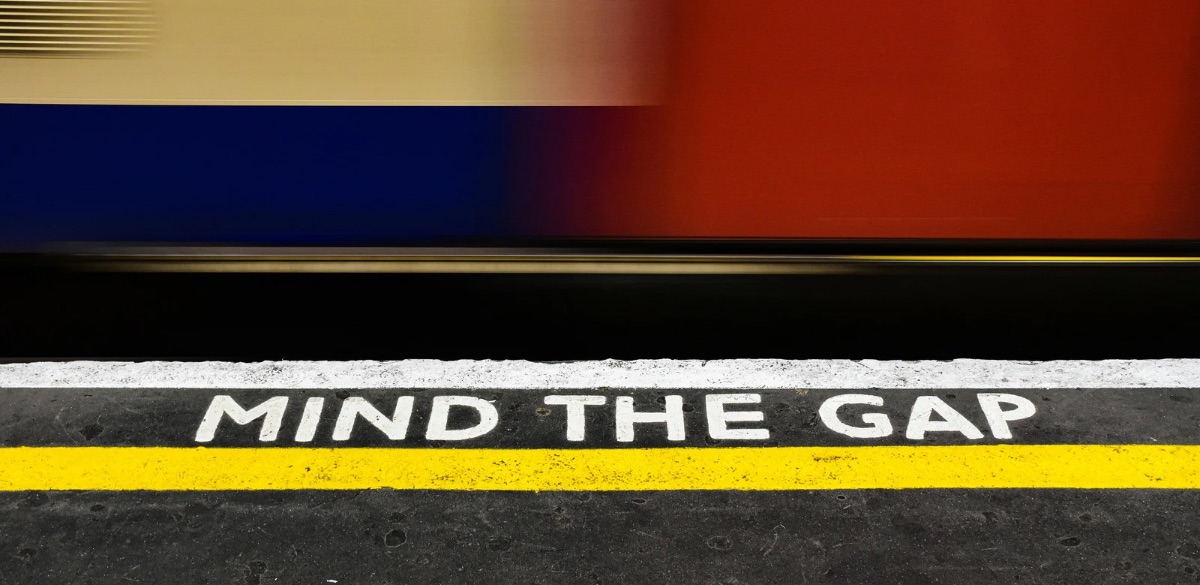
India is home to a lot of languages and dialects over 1,600.. When we talk about mental health we mostly use English or a few other big languages. This creates a problem. People who need help the most may not have the words to say what is wrong with them. They may not even know what is wrong.
- The Language Gap in Mental Health Awareness
- Cultural Context: More Than Just Words
- The Stigma Embedded in Language
- Why Vernacular Mental Health Matters
- Emerging Change: A Shift Toward Inclusivity
- Challenges That Still Remain
- The Way Forward: Building a Multilingual Mental Health Ecosystem
- Healing in Our Words
Mental health is not about doctors and medicine. It is also about culture and language. When people cannot express their feelings in their language they may not understand what is happening to them. They may feel bad. They do not know why.
The Language Gap in Mental Health Awareness
things that can help people with mental health problems in India like therapy and self-help books are in English. This is okay for people who live in cities and have an education.. Most people in India do not speak English well.
For example:

• We do not have words for things like anxiety, depression or trauma in many Indian languages.
• Even when we do have words they may not be very accurate.
• In some places people talk about their feelings using symptoms, not emotional words.
For instance someone might say:
• “My chest feels heavy” of “I am anxious”.
• “I feel tired all the time” of “I am depressed”.

This makes it hard for people to get the help. They may not get diagnosed correctly. They may not get help soon enough. It also makes people feel ashamed to talk about their problems.
Cultural Context: More Than Just Words
Language is connected to culture. In India how we express our feelings is influenced by what our society, family and community think.
In places in India:
• People think that feeling bad is normal or that it will go away on its own.
• Asking for help is seen as a weakness.
• People think that mental health problems are because of fate or because they did something in a past life.
If we do not have the words to talk about mental health it seems like something that only happens to other people not to us.
The Stigma Embedded in Language
In Indian languages the words we use for mental illness are not very nice. For example:
• We use words that mean “mad” or “insane”.
• We do not make a difference between mental health problems and normal feelings.
This makes people think that they are either completely fine or completely “crazy”. There is no in between.
As a result people are afraid to talk about their feelings or to ask for help. They are afraid of what others will think.
Why Vernacular Mental Health Matters
Making mental health help available in languages is not just about translating words. It is about making it real for people.
1. Accessibility
People are more likely to use things that’re in a language they understand.
2. Emotional Accuracy
When we use our language we can express our feelings more accurately.
3. Trust and Relatability
When we hear people talking about health in a language and culture we know we feel more comfortable.
4. Early Intervention
When people can talk about their feelings they are more likely to get help
Emerging Change: A Shift Toward Inclusivity
There are some things happening in India.
• Some helplines are available in languages.
• Some people are making content about health in local languages.
• Some therapists are offering sessions in languages.
• Some organizations are working to make mental health education available in languages.
Social media is helping to make mental health information available to people in more languages.
Challenges That Still Remain
Even though things are getting better there are still some problems:
• We do not have translations for mental health words.
• We do not have therapists who speak local languages.
Most mental health talk is still in cities not in rural areas.
• Not everyone has access to the internet.
We need to make some changes to fix these problems.
The Way Forward: Building a Multilingual Mental Health Ecosystem
To make mental health help available to everyone in India we need:
1. Localized Education
We need to make mental health information available in languages and cultures.
2. Training Programs
We need to train therapists to work with people in languages.
3. Community-Based Conversations
We need to talk about health in schools, communities and with local leaders.
4. Language Innovation
We need to create words that accurately describe mental health feelings without stigma.
Healing in Our Words
Mental health help cannot be the same for everyone especially in a country like India with so many languages and cultures. Language is not a way to communicate it is a way to understand and heal.
When we talk about health in our own languages, like Hindi, Tamil, Kannada, Bengali and others we do more than just translate words. We make mental health feel real we reduce shame. We bring it closer to home.
Sometimes the first step to healing is just having the words to say what we feel. Mental health is about India. It is about Indian languages, like Hindi, Tamil, Kannada, Bengali and others.

