

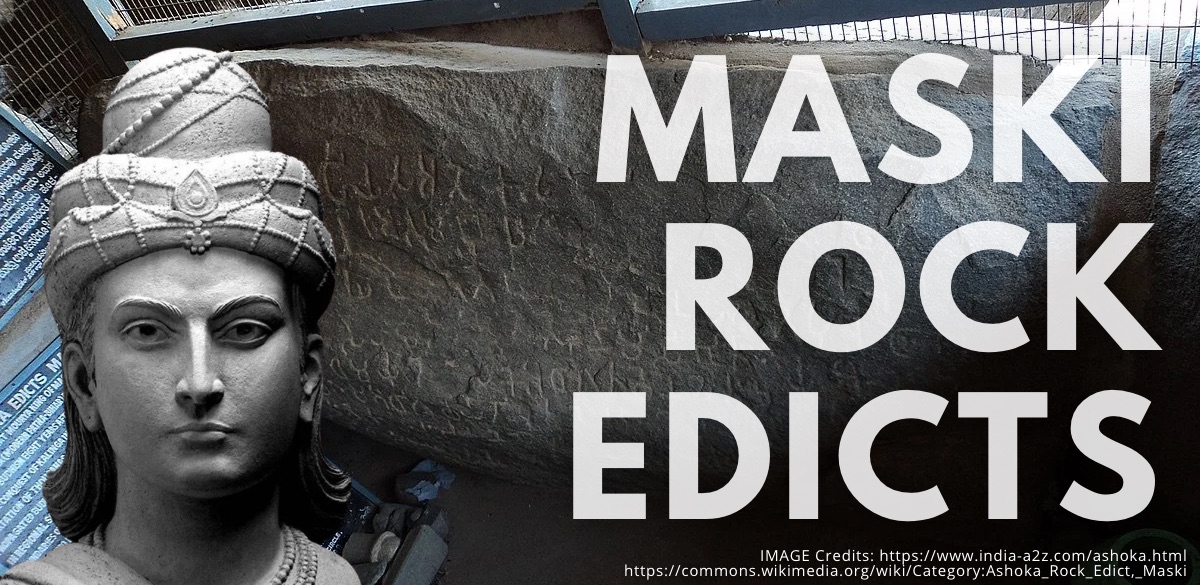
The ancient town of Maski, in the Raichur district of Karnataka, has emerged from obscurity into the spotlight, following a momentous archaeological breakthrough which is positioned to reshape its historical narrative. In a discovery that transcends centuries, researchers have unearthed compelling evidence of a human settlement dating back to an astonishing 4,000 years.
The discovery was made by a collaborative team of 20 researchers from India, the United States and Canada, who have been excavating areas around Mallikarjun Hill and the Anjaneya Swamy temple in Maski for the past three months.

Shedding Light on the Ages:
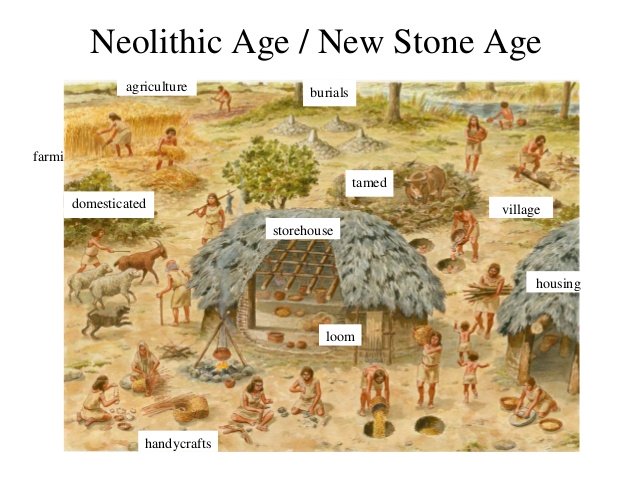
The Raichur Doab Region seems to be a cradle of ‘Ancient Civilization’. Maski Discovery reveals insights into ‘Prehistoric Life’. The finds-pots, tools and burial urns-date back roughly 4,000 years, shedding fresh light on Neolithic and Iron Age life in the Raichur Doab region.
More than a lost town reclaimed, Maski now stands as a silent witness to India’s deep antiquity, a place where civilizations once flourished and left permanent imprints beneath its soil. This extraordinary find does not merely add to the chronicles of archaeology but it also offers a profound reminder of the layers of memory that rest beneath our feet.

From Emperor Ashoka to Ancients: Uncovering the Hidden History of Maski
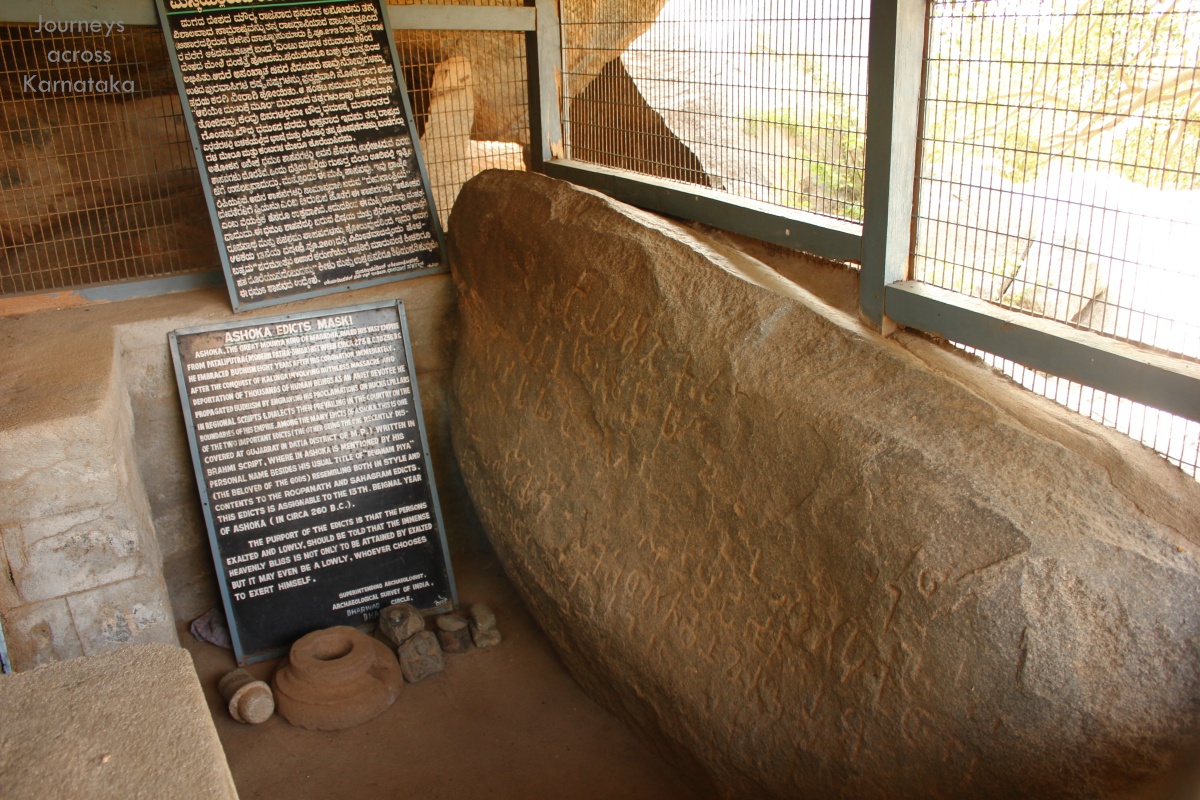
In July of 2025, archaeologists have uncovered evidence of a thriving human settlement in Maski, Karnataka exactly 110 years after the discovery of the ‘Maski Rock Edict’ in 1915, that first revealed Emperor Ashoka’s name. This revelation stems from a two-month-long excavation beneath the fort adjoining the celebrated Ashokan Edict site, a region already steeped in historical significance. The excavation yielded a rich collection of cultural remnants like lithic tools, intricately crafted ornaments, fragments of pottery and animal remains. Together, these artifacts speak of an enduring human presence that bridges eras, from the Neolithic age through to the medieval period.
Whispers from Antiquity: Unearthed Artefacts Illuminate Life in Ancient Maski
Under the soil’s embrace, archaeologists have discovered relics dating back over 4,000 years which consists of earthen pots and pans that once simmered ancient fare, their worn-out contours bearing witness to a thriving settlement now reclaimed from the unknown of existence.

Among the trove are microlithic stone tools, delicate beads hewn from marine shells and patterned pottery adorned with motifs that echo a forgotten aesthetic. The unearthing of a gate hints at organized habitation, while the skeletal remains of cattle, goats, and buffalo whisper tales of agrarian life and the sustenance that shaped daily rhythms.
Maski’s Unfolding Legacy -Piecing Together the Puzzle:
Maski first captured scholarly attention in 1915, when archaeologists unearthed a remarkable rock edict attributed to Emperor Ashoka, an inscription that would become one of the earliest known records from the Mauryan era. This momentous discovery not only illuminated aspects of Ashoka’s governance and dharmic vision but also marked Maski as a site of enduring historical importance.
Over the years, subsequent excavations have continued to affirm the town’s rich and layered past. Now, in a new chapter of inquiry, an international team of experts are collecting vital samples for deeper analysis. In recognition of their contributions, local communities recently honoured the team, hy highlighting a shared commitment to heritage and the discovery.
This latest find is far more than an academic milestone, it reanimates Maski’s role in the broader tapestry of Indian antiquity. Researchers are now calling upon civic authorities and cultural custodians to safeguard this invaluable site, urging collaborative efforts to preserve its legacy for generations yet to come.

Where History Breathes and Heritage Lives On:
The researchers are now studying the lifestyle and food habits of the people who lived in Maski 4,000 years ago. This discovery is a testament to the rich cultural heritage of Karnataka and is sure to spark further interest in the history of the region.
Together, these artefacts form a mosaic of Maski’s ancient identity,a testament not only to survival but to the cultural vitality and intimate ties to land, craft and community. Each shard and fossil invite us to reimagine a world where humanity first took root in the Deccan soil.