
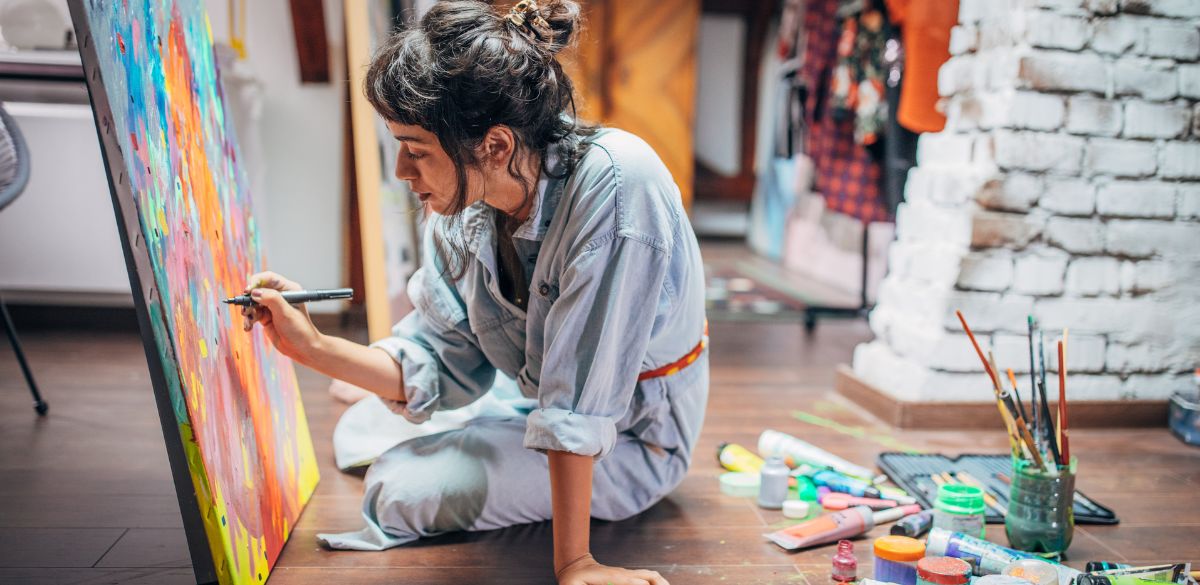
Being a creative in India is often romanticised: the imagined life of a free-spirited artist, the joy of self-expression and the thrill of “doing what you love.” But behind evocative art, soulful music, thoughtful writing and innovative design lies a less discussed reality— the emotional cost of choosing creativity as a vocation or identity in a society that still prizes conventional security over artistic exploration.
- The Pressure to Conform: Tradition v/s Passion
- Emotional Labour Beyond Art
- Financial Instability: Anxiety in the Unknown
- Loneliness and the Myth of the “Struggling Artist”
- Recognition and Validation: The Waiting Game
- Navigating Family, Society and Identity
- Coping Strategies: How Creatives Stay Grounded
- Redefining Success in India’s Creative Landscape
In this article, we unpack the emotional terrain that creatives in India must navigate— examining pressures, sacrifices, internal conflicts and societal expectations that shape a deeply personal yet collective experience.
The Pressure to Conform: Tradition v/s Passion
In India’s social fabric, careers in engineering, medicine, law and business are so often considered the safest routes to stability, respect and familial pride. Creative fields like writing, painting, filmmaking, dance, theatre, music are still frequently seen as hobbies rather than viable professions.
This societal lens creates early pressure for many:

- Dismissal of creative pursuits as impractical.
- Family expectations of “real jobs”
- Comments like “art won’t pay bills” or “do it as a side thing.”
Such attitudes can erode self-belief and make creatives constantly feel they must justify their choices emotionally and financially.
Emotional Labour Beyond Art
Creativity demands vulnerability, dredging up feelings, experiences, fears and contradictions to create something meaningful. But emotional labour isn’t confined to artistic process, it extends to:

- Selling and promoting your work.
- Networking in socially competitive spaces.
- Facing constant comparison.
- Managing criticism, feedback and rejection.
Every creative endeavour comes with self-doubt and in an environment where practical success narrowly defined, this self-doubt can deepen into anxiety, burnout or even identity crisis.
Financial Instability: Anxiety in the Unknown
Financial insecurity is a tangible stressor:
- Irregular income streams.
- Freelancing without safeguards.
- Low pay for creative work in early stages.
- Reluctance of brands and institutions to fairly value artistic labour.
Unlike structured jobs with fixed pay, creatives often juggle multiple gigs, side hustles and uncertain project fees. This uncertainty not only affects lifestyle but also emotional well-being, leading to chronic stress and exhaustion.
Loneliness and the Myth of the “Struggling Artist”
Creatives, especially writers, painters and digital artists can find themselves working in isolation. While solitude can be productive, prolonged social disconnection may lead to:

- Feelings of inadequacy.
- Lack of peer support.
- Difficulty separating self-worth from output.
This stereotype of the “solitary creative genius” compounds these emotions, making it harder to seek connection or support when stress intensifies.
Recognition and Validation: The Waiting Game
In a populous nation with rising access to digital platforms, the competition for attention is fierce. Even high-quality work can go unnoticed amid noise. Creatives often grapple with:
- Waiting years for recognition.
- Algorithm visibility dictating worth.
- Comparisons with peers who “made it” faster.
This emotional rollercoaster can lead to imposter syndrome, chronic impatience or identity loss— feeling that if success doesn’t arrive, the work somehow lacks value.
Navigating Family, Society and Identity
India’s closely knit family systems are both a support and a pressure point. Families may love and encourage creative expression but still push for safety nets:
- “Do your art but finish your degree first”
- “Get a job and then think of art”
- We’ll support your creativity if you’re financially secure.”
This conditional encouragement can leave creatives stuck between love and obligation, leading to guilt, internal conflict or a sense of divided identity.
Coping Strategies: How Creatives Stay Grounded
Despite these emotional costs, many creatives find ways to sustain themselves, both artistically and mentally:
Community and Connection
Finding peers, collaborators or mentors who understand the emotional load helps us reduce isolation.
Structured routines
Balancing creative work with daily stable routines builds psychological safety.
Reframing Failure
Seeking rejection as a part of growth, not a verdict on worth, helps preserve resilience.
Emotional Awareness
Being mindful of emotional highs and lows and seeking therapy, support groups or creative circles when needed, builds emotional strength.
Redefining Success in India’s Creative Landscape
Success for a creative person in India can no longer be measured solely by fame or financial reward. Instead, meaningful measures include:
- Sustainable creative practices
- Emotional well-being.
- A community that values work over stereotypes.
- Authentic self-expression.
As India’s cultural industries evolve, through digital platforms, indie publishing, online galleries, film festivals and art residencies, there’s an expanding space to honor creative work and emotional integrity.
Being a creative in India is emotionally demanding, marked by societal expectation, financial uncertainty, persistent self-evaluation and the pain and joy of translating inner life into outer expression. Yet for many, the emotional cost is interwoven with profound fulfilment, an identity rooted in truth, purpose and connection.
Amid challenges, the growing community of Indian creatives is reshaping narratives, carving spaces and redefining what it means to live and thrive as an artist.

