

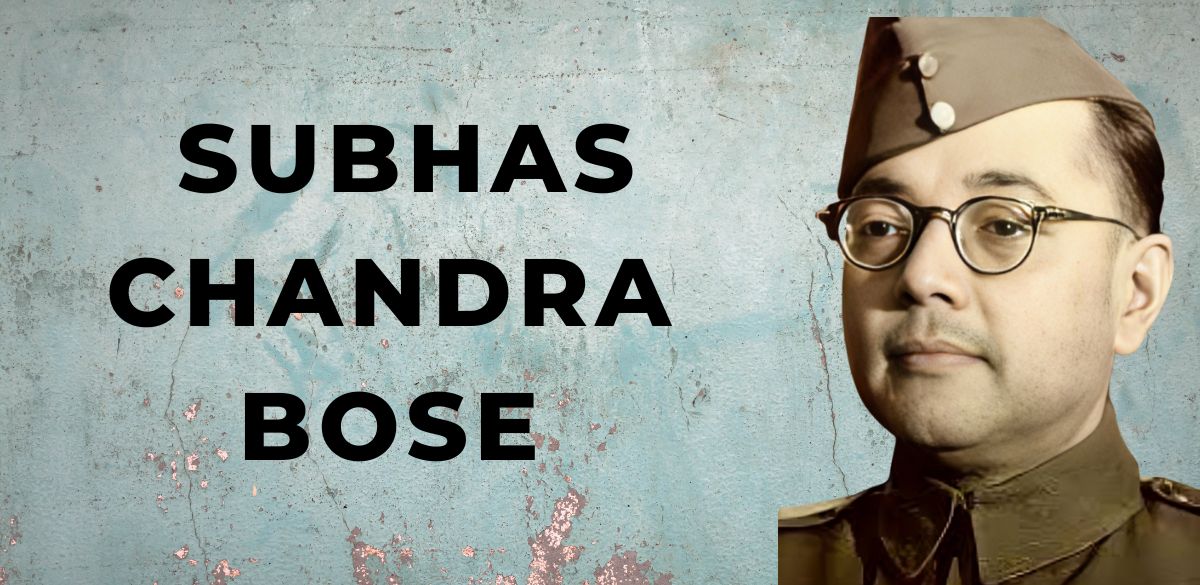
Subhas Chandra Bose, affectionately known as Netaji (which means Respected Leader), remains one of India’s most iconic and contentious freedom fighters. Born on January 23, 1897, in the vibrant city of Cuttack, Odisha, Bose’s life is a testament to fearless patriotism and an unwavering challenge to British colonial rule. His journey is filled with tales of bravery, deep-seated convictions and ideological clashes, weaving a narrative that is both heroic and complex. Even today, his legacy ignites passionate discussions about leadership, strategy and moral dilemmas, inspiring countless individuals to explore the depths of dedication and sacrifice for a cause.
The Path to Leadership
Bose’s early life was marked by both privilege and exceptional talent. Raised in an environment steeped in Anglo-centric education, he achieved remarkable success, topping the Indian Civil Service exam in England. Yet, his heart burned with a fervent nationalist spirit, compelling him to set aside the promise of a prestigious career in order to dedicate himself to India’s quest for independence.
In 1921, he joined forces with the Indian National Congress, quickly rising through the ranks to ultimately become its president in 1938. However, his vision, which embraced militant action and socialism, often put him at odds with more prominent figures like Gandhi. This ideological clash culminated in his resignation in 1939, but his commitment to India’s freedom never wavered.
The Axis Connection
Bose’s dedication to India’s independence was marked by various significant actions that sparked some debate. In 1941, he sought support from Nazi Germany to further his cause. He established the Free India Centre and worked to recruit Indian prisoners of war into the Indian National Army (INA). Subsequently, with backing from Japan, he reorganized the INA and declared a Provisional Government of Free India in territories occupied by the Japanese. While his campaign took a different approach from traditional military strategies, it is worth noting that the INA faced considerable challenges and experienced defeats against the British Indian Army, despite Bose’s charismatic leadership.

Hero or Controversial Figure?
The wartime association with fascist regimes presents a complex aspect of Bose’s legacy. Critics point out that he did not publicly denounce the atrocities committed by the Nazis and that he supported a centralized approach to governance for India’s post-colonial reconstruction. While his admiration for strong central authority reflects a desire for stability, his nationalism and commitment to social equality distinguish him from the ideologies he engaged with.
A Legacy of Sacrifice and Inspiration
Bose tragically lost his life in a plane crash on August 18, 1945, in Taiwan. His untimely demise left many Indians with a profound sense of longing and hope, believing that he would return to guide the nation toward independence. His powerful slogans, “Give me blood and I will give you freedom” and “Dilli Chalo” (On to Delhi), continue to echo as poignant symbols of sacrifice and unwavering determination, reminding us of the struggles and aspirations for a free India.

Commemorating Netaji
Through stamps, statues, museums and institutions, Bose’s indelible contributions inspire India’s history. His legacy is celebrated across the nation, from the Netaji Subhas Chandra Bose International Airport in Kolkata to the INA War Museum in Manipur. The Government of India honors his birth anniversary, January 23, as Parakram Divas, a powerful symbol of courage and perseverance.
Subhas Chandra Bose’s extraordinary life was a testament to his unwavering vision for freedom and independence. Though his alliances and ideologies may spark differing opinions, what remains indisputable is his profound love for his country and his relentless struggle for India’s sovereignty. His deep-seated patriotism reflects a remarkable spirit that continues to inspire many and serves as a powerful reminder of the sacrifices made in the pursuit of justice and self-determination.