

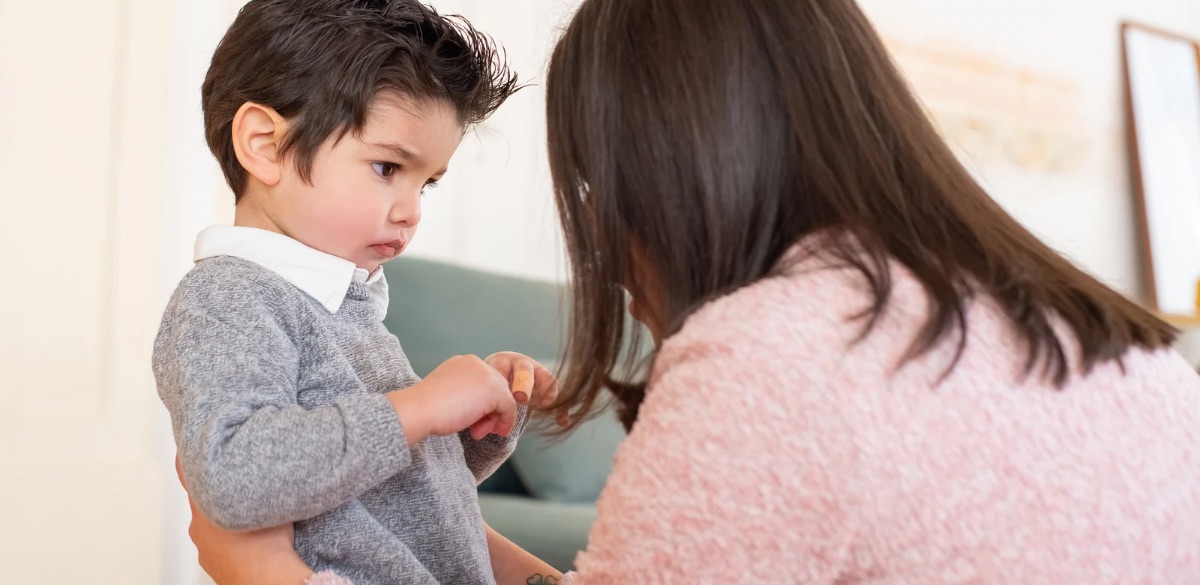
Some children worry loudly. They ask many questions, seek reassurance and cling to adults when they feel unsure. Others worry quietly. They follow rules, stay alert, avoid trouble and appear “mature for their age”
In Indian homes, anxious children are often praised.
“She’s so responsible.”
“He thinks too much— very intelligent.”

“She never creates problems.”
But beneath this calm exterior, many children are carrying worries far bigger than their age. Anxiety doesn’t always look like fear or panic. Sometimes, it looks like obedience, perfection and silence.

This article explores childhood anxiety in everyday Indian settings, how it forms, how it hides and how adults can gently respond before worry becomes a lifelong burden.
Anaya’s Story
Anaya was eight years old and rarely complained. She woke up on time, completed her homework without reminders and never argued with adults. Teachers admired her. Relatives praised her.
But every night, Anaya struggled to sleep. She worried about forgetting her books, disappointing her parents or making mistakes at school. If her mother seemed tired or upset, Anaya immediately assumed it was her fault.
One afternoon, when her mother was late picking her up from school, Anaya sat on the steps holding back her tears. “What if something happened because of me?” she thought.

In counselling sessions, Anaya said softly:
“I just want everything to be okay. I don’t want anyone to be upset because of me.”
Her anxiety wasn’t about one incident. It was about carrying too much responsibility too early.
Why Anxiety is Rising in Children
Childhood anxiety today isn’t caused by one big event. It grows quietly through daily experiences.
In Indian families, several factors contribute:
High expectations– Children feel pressure to perform academically, socially and behaviourally.
Emotional sensitivity to adults– Children often absorb parental stress, even when it’s unspoken.
Fear-based discipline– Warnings like “Something bad will happen” teach children to expect danger.
Early exposure to adult worries– Conversations about finances, family conflict or societal fears are often overheard.
Children learn to stay alert, careful and prepared for the worst— not because they want to, but because they feel they must.
How Anxiety Shows Up in Children
Anxiety doesn’t always look like crying or refusal. Often, it hides behind “good behaviour.”
You may notice a child who:
- Overthinks simple decisions.
- Seeks constant reassurance.
- Apologies excessively.
- Struggles with sleep or stomach aches.
- Fears making mistakes
- Feels responsible for adult emotions
- Avoids new situations
These children are not weak. They are hyper-aware.
The Psychology Behind Childhood Anxiety
Children’s brains are still developing their emotional regulation systems. When they sense instability or high expectations, their nervous system stays in a constant state of alert.
Psychologically:
- The amygdala (fear centre) becomes overactive.
- The child’s sense of safety depends upon external approval.
- Mistakes feel dangerous rather than normal.
Anxious children often grow into anxious adults because they learned early that the world is unpredictable and their role is to manage it.
What Doesn’t Help (Even Though It Sounds Reassuring)
Well-meaning adults often say:
“Don’t worry.”
“It’s nothing.”
“You’re thinking too much.”
When Helps an Anxious Child Feel Safe
Not a checklist, just gentle shifts:
- Predictability: Clear routines help children stay grounded.
- Emotional permission: Let children say, “I’m scared” without correcting them.
- Modeling calm: Children borrow emotional cues from adults.
- Separating responsibility: Remind children that adult problems are not theirs to solve.
- Celebrating effort rather than outcomes: Reduce fear of failure.
Most importantly, children need to hear:
“You don’t have to hold everything together.”
Helping Children Name Their Worries
When children can name what they’re feeling, anxiety loses some of its power.
Instead of asking:
“Why are you like this?”
Try:
“It sounds like you’re worried.”
“That must feel heavy”
“I’m here. You don’t have to hold it alone.”
Language creates safety
When to Seek Support
Occasional worry is normal. But support may be needed if anxiety:
- Interferes with sleep or appetite
- Affects school attendance
- Causes frequent physical complaints
- Leads to withdrawal or constant fear
Seeking help is an act of care.
Anaya needed assurance that she wasn’t responsible for everything around her. Anxious children are responding to a world that feels too demanding, too uncertain or too heavy, rather than “overreacting”. When adults slow down, soften expectations and create emotional safety, children learn a powerful truth:
The world doesn’t need them to be perfect. It just needs them to be children.