

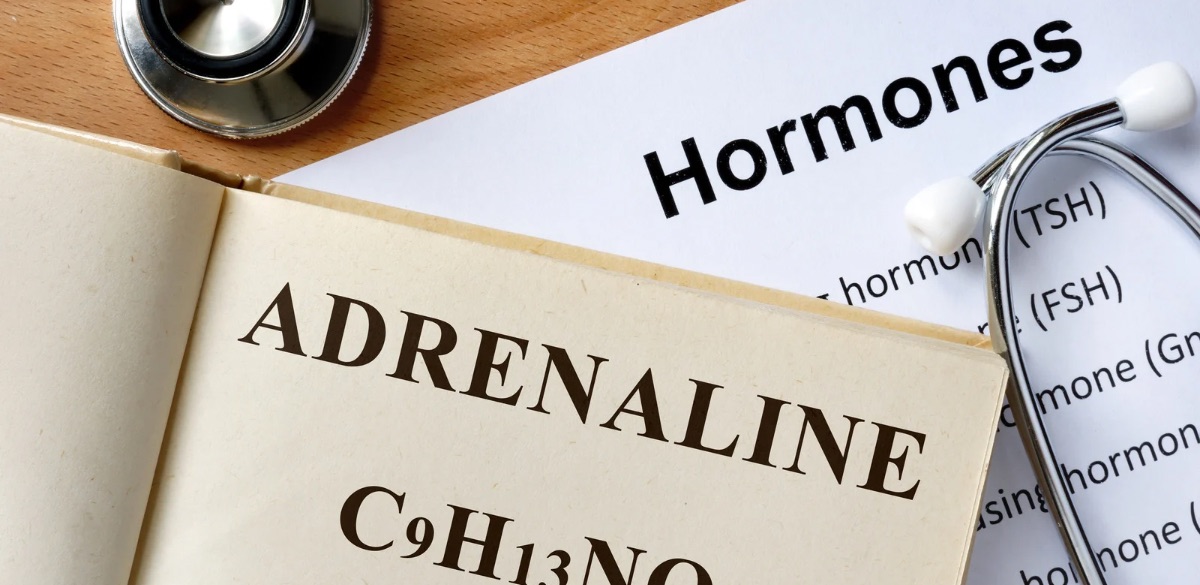
The brain and body are constantly communicating with each other via hormones and chemical signals. Some of the most impactful messengers are those produced by the adrenal glands, two small, triangular shapes on top of the kidneys, which have a huge impact on our thoughts, feelings, and response. When these two glands malfunction, their effect can lead to not merely physical symptoms, but also major mental and emotional ramifications. Cushing’s Syndrome and Addison’s Disease demonstrate the depth of impact that adrenal hormones have on mental health, particularly when it comes to synthetic hormones such as cortisol and adrenaline.
- A Look at the Chemical Messengers: Cortisol and Adrenaline
- When the System Malfunctions: Cushing’s Syndrome & Excess Cortisol
- Addison’s Disease: When Cortisol Levels Drop Too Low
- Adrenaline Factor: Anxiety, Panic, and Mental Effort
- Adrenaline Too High
- Adrenaline Too Low
- The Mood-Adrenal Connection: Understanding Hormones and Emotions
- Cognitive Impairment: When Your Thinking Is Effected
- Treatment and Recovery in Mental Health
- Conclusions
- References
This article will outline the effects adrenal function disorders have on mood, anxiety, cognition, and psychological wellbeing in plain language for all audiences, while still being research-based.
A Look at the Chemical Messengers: Cortisol and Adrenaline
The adrenal glands produce several hormones, with two of the most significant and influential on mental processes being:
1. Cortisol

Commonly associated with stress, cortisol is involved in:
• Metabolism

• Immune function
• Cycles of sleep-wake
• Blood pressure
• Stress response

Cortisol naturally increases during stress and decreases after the stressor has subsided, but functional imbalance (too much or too little) can greatly impact emotional regulation.
2. Adrenaline (Epinephrine)
Adrenaline is the hormone responsible for the “fight-or-flight” response. It leads to increased alertness, heart rate, and available energy. Shorter and infrequent exposures are healthy, but chronic over-arousal or under-arousal can lead to increased anxiety, a loss of concentration, and difficulty managing one’s emotions.
When the System Malfunctions: Cushing’s Syndrome & Excess Cortisol
Cushing’s Syndrome occurs when the body experiences long-term exposure to high levels of cortisol. This occurs due to tumors, long-term use of steroids, or irregularities in the adrenal and/or pituitary glands that create cortisol in excess of the body’s needs.
Mental Health Effects of Excess Cortisol
High levels of cortisol have been associated with:
• Severe depression
• Anxiety disorders
• Irritability and lability
• Reduced memory and focus
• Insomnia
• Cognitive slowing
High levels of cortisol impair the hippocampus that is responsible for memory and also the prefrontal cortex responsible for decision making and emotional control. A study published in 2015 in Psychoneuroendocrinology concluded that prolonged hypercortisolism physically shrinks parts of the hippocampus, contributing to memory dysfunction and depressive symptoms.
Patients with Cushing’s Syndrome often say that they feel mentally “slowed down,” that they feel stressed without a real reason, or that their emotions feel overwhelming. When cortisol remains elevated, the body can no longer reset itself from stress, creating a biochemical loop that reinforces anxiety and depression.
Addison’s Disease: When Cortisol Levels Drop Too Low
On the other side is Addison’s Disease. This is a rare but serious illness in which the adrenal glands produce insufficient cortisol, and oftentimes insufficient aldosterone. If left untreated, it can be fatal.
Mental Health Impact of Low Cortisol
Low cortisol is related to:
• Chronic fatigue
• Low mood or depression
• Loss of motivation
• Apathetic or flat affect
• Heightened sensitivity to stress
• “Brain fog” and cognitive fatigue
Since cortisol is one of the hormones that helps the body manage stress, patients with Addison’s often feel overwhelmed by situations that are more manageable for other people. In a 2014 review published in The Journal of Clinical Endocrinology & Metabolism, it was noted that Addisons patients had higher rates of mood disorders than patients with other types of adrenal cortical insufficiency and experienced “reduced stress tolerance,” which was significantly correlated with their quality of life.
Many patients describe experiencing constant mental fatigue, difficulty focusing, and feeling “blunted” emotionally. They may find that even mild, normal stressors such as being late to an appointment or having to make decisions can cause lightheadedness, anxiety, and/or irritability.
Adrenaline Factor: Anxiety, Panic, and Mental Effort
Adrenaline imbalances also lead to mental health conditions, but often in combination with cortisol changes.
Adrenaline Too High
Adrenaline can remain chronically elevated, resulting in symptoms of anxiety disorder; including:
• Accelerated heart rate
• Trembling
• Restlessness
• On edge
• Difficulty concentrating
• constant panic-attack.
People with Cushing’s Syndrome or pheochromocytoma (rare adrenal tumors producing adrenaline too much) can feel “trapped” in a constant alert state. The body acts like there is something dangerous even when there is nothing dangerous happening.
Adrenaline Too Low
Low levels of adrenaline ( adrenalin is a hormone that the brain uses to create attention and excitement) are often found in Addison’s Disease or adrenal insufficiency:
• Low energy levels
• Difficulty staying alert
• Problems responding to stressful situations
• Lack of wanting to do something (stational response).
When the adrenaline level is low, it often feels like the mind is in a constant “slow motion” state.
The Mood-Adrenal Connection: Understanding Hormones and Emotions
The limbic system—the emotional center of the brain—has a high sensitivity to cortisol and adrenaline. These hormones affect neurotransmitters, such as serotonin, dopamine, and norepinephrine.
An imbalance of these hormones may cause:
• Mood swings
• Feelings of anxiety or panic
• Depressive symptoms
• Emotional numbing
• A decrease in the ability to feel pleasure
As an example, high levels of cortisol lead to a decrease in levels of serotonin, which may contribute to depressive symptoms. Low levels of cortisol reduce dopamine activity, which means decreased motivation and focus.
Changes in hormonal levels due to physical and emotional stress examples will also cause increases in adrenaline, hormones that lead to activation of the amygdala, the fear center of the brain, or where this system stays activated and anxiety becomes the primary way of being.
Cognitive Impairment: When Your Thinking Is Effected
Both high and low levels of adrenal hormones affect cognition; there are experience of within cognition that are compromised, such as:
• Memory loss (particularly short-term memory)
• Inability to concentrate
• Slow processing
• Problem-solving gains difficulty
• Executive function
A 2016 review in Frontiers in Neuroscience concluded cortisol levels affect levels of synaptic plasticity traditionally calculated by a brain’s ability to create access, use, or strengthen neuronal connections. Excessively high levels of cortisol lead to neuronal damage, and excessively low levels of cortisol also decompose an already active brain’s ability to respond well to stress or new information.
Treatment and Recovery in Mental Health
Correct diagnosis and treatment of adrenal gland dysfunctions can lead to improved mental health. Treatment may involve hormone replacement therapy, drug therapies to lower cortisol levels, behavioral methods to reduce stress, and psychosocial treatments.
Therapy in general will play an important role in helping the patient regulate emotional instability, establish new coping strategies, and learn to cope with the physical and psychological aspects of the disorder.
Conclusions
They may be small, but the adrenal glands are mighty architects of our mental health. When the hormonal output of the adrenal glands is altered, as in Cushing’s Syndrome or Addison’s Disease, there will be biochemical changes in the brain. Changes in mood, anxiety, depression, confused thinking and change in stress tolerance are not merely emotional responses to disorders like Cushing’s Syndrome or Addison’s Disease, but directly contingent on biochemical changes in states of disorder.
Understanding and acknowledging this link will not only support a reduction of stigma associated with mental health, but also allows individuals to seek intervention, understanding that mental health is related to the physiological chemical milieu of the body.
References
- Bornstein et al. (2014). Journal of Clinical Endocrinology & Metabolism.
- Starkman et al. (2015). Psychoneuroendocrinology.
- Lupien et al. (2009). Nature Reviews Neuroscience.
- Henley & Lightman (2014). Endocrinology & Metabolism Clinics.
- Sousa & Almeida (2012). Frontiers in Neuroscience.