


In India, the cricket matches are not only a sport, but also it is a kind of obsession with the people. It has power of a collective prayer. These high-stake matches are surprisingly a significant economic phenomenon also. The Indians have a great passion for the cricket. The people treat match-days as national events. There is always a peculiar atmosphere in the country during cricket matches. The streets are empty; offices have a well-known hush. The people unite in nervous anticipation. This event facilitates an economic engine that blends fervour with commerce. Nothing matches the scale of economics during the cricket matches. The hearts of the Indians beat in rhythm with the matches. All are in synchronisation with the bats, the wickets and the balls. The people watch with bated breath, when the Indian cricket team take the field.

Cricket as India’s Cultural Heartbeat
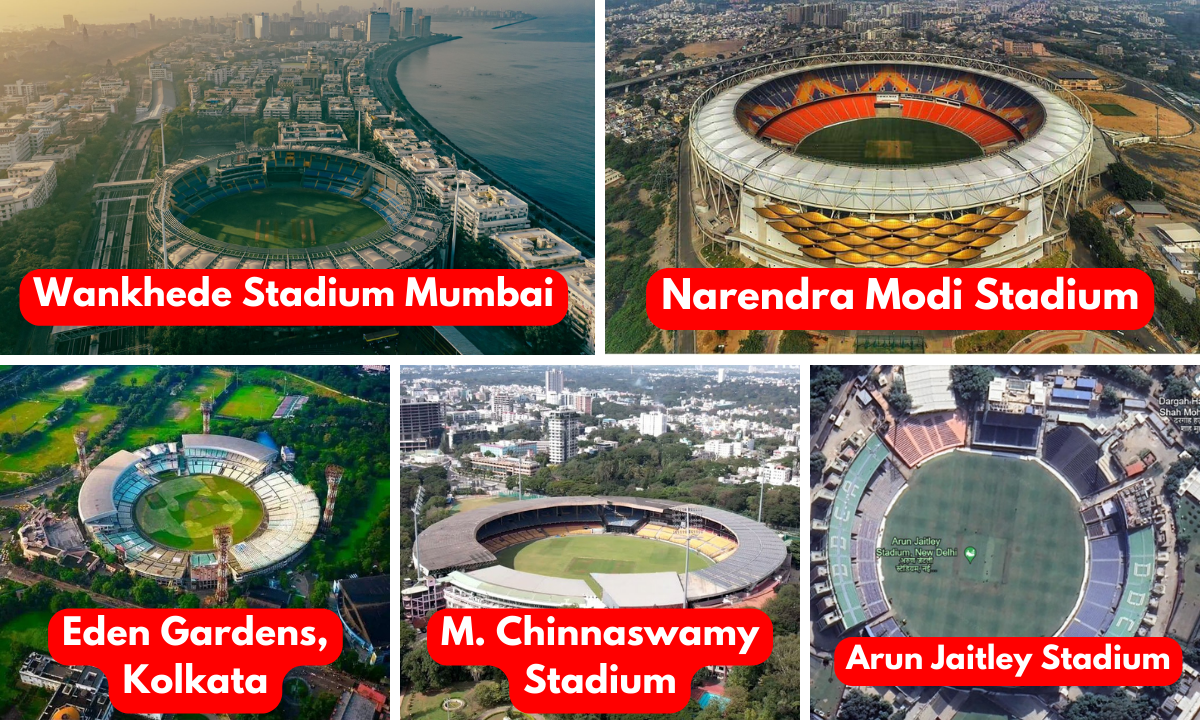
The sales of tickets for the match scale up generating millions in revenue per game. Stadiums serve as an economic hub. It boosts local revenue through transport and hospitality industry. Vendors sell flags, snacks and jerseys that create informal jobs and income for the gig workers. The pulse of these is the crowd’s energy. The ‘cricket craze’ of India is less a craze and more a deeply ingrained cultural heartbeat. The people of the entire country unify under one banner of fervent support. This becomes an economic shift; it reveals the scale of cricket’s influence on the population nationwide. Broadcasting form cricket’s financial backbone. Television channels and digital rights generate good revenue models. Auctions create substantial income during overs advertisement revenues vie for slots as brands. The boundaries flash endorsements, while media exposure generates economy. When routine- mundane life is paused, the people notice advertisements. In earlier days, news used to be broadcast on the radio. Information about matches would be shared in newspapers and on the radio as well, but now-a-days, it is done through the electronic media live.

The Economic Engine of Match Day
Consumption of various consumer goods takes place during the cricket matches. Food delivery spikes, inflation happens upwards during cricket matches. TV and sponsorship inflows happen on a large scale. Cricket matches enable job creation, international fans, guests, participants and sponsors visit certain places. Tourism and repeated visits increase, boosting the economy of the place, where the cricket matches are organised and played. There is broader growth, when the hotel rates in cities spike. Businesses, both small and big, do well in sales during the cricket match time. Matches unite society providing a common narrative and a national identity and pride in the nation. The cricket craze is so much that it sustains well. It is a long-term legacy that enables infrastructure and stadium upgrades. This cricket craze enhances soft power among the people. There is a sense of shared glory or heartbreak. This proves the power of the cricket sport is an economic catalyst. The people pause their daily life during the matches, which adversely affect the state of the economy.
Productivity vs. Passion: The Workplace Dilemma
This cricket craze, however, can lead to noticeable dips in workplace productivity. The employees are distracted and opt for absenteeism. The employees, who attend work during match days are constantly distracted from the concentration on their assigned tasks. They keep checking scores, engage in discussions and their focus is not on their tasks. Their focus is distracted of and on towards the match, which is being played. The atmosphere is filled with shared excitement, thrill and anticipation.

During the matches for the Cricket World Cups, the people take leaves or shorten their work hours. This results in lost man working hours. Post matches celebration or late night exacerbate absences on the next working days. This, in turn, takes a toll on IT sectors or finances. Media and advertisement industries are the big winners. The distraction dynamics are high during tournaments; employees frequently check their phones or indulge in chatter. These interrupts workflows and disrupt daily economic productivity in the workplace. If matches happen to be in the evening, the employees resort to early exits from the workplace. Formal economy may take a dip, if not dealt with strategically. Live streams pull employees attention. Some firms are forced to allow match viewing during office hours to curb the damage or economic loss.
When the Score Board calls louder than deadlines, companies adapt to keep the game on
There is a modern conflict, where traditional work structures go down against the unstoppable force of sport-support. After considering how to maintain productivity, while acknowledging the pull of a match, the companies counter this situation by screening matches and hosting viewing parties. They also combine this ‘cricket craze’ with team building. The companies have realized that a grudging employee is less productive than one, who feels understood. The Companies have started accommodating this craze in their standing operation procedure. This helps the firm’s economy, while it boosts morale of the employees and offset the losses. The firms strategically resort to flexible hours or incentives to maintain a healthy output of their firms with view to avoid complete productivity collapse. This turns potential downtime into engagement opportunities. Now-a-days, the corporate policies embrace this situation rather than creating bitterness among the employees. Earlier, the people used to gather outside the offices of the Newspapers to be updated with the scores, but now-a-days, it is on everyone’s phones.
Ultimately, there is a subtle power in this, cricket craze’. It is a period when normal rules of commerce or economy bend to the will of the game. It transforms collective passion into an economic activity. This only brings out the message that national pride and sporting fervour are truly priceless.
Check out our latest article on “The Robinhood of the Ravi” Here


