


When one says Attention Deficit Hyperactivity Disorder (ADHD), they envision a fidgety kid who can’t sit still or a person who’s constantly distracted. The common stereotype is inaccurate and oversimplified. ADHD is a complex neurodevelopmental disorder that affects the lives of millions across all ages. It’s not just a matter of being hyperactive or inattentive, it’s a matter of having a brain that works differently, usually in ways the world is not designed to adapt.
This piece unpacks the richness of ADHD by going beyond the clinical checklist and examining emotional, cognitive and social difficulties while emphasising the value of support and empathy.
The Core: Executive Functioning Challenges
Executive dysfunction is at the core of ADHD. Executive functions are the brain’s self-regulation system skills such as planning, organising, prioritising, initiating tasks and managing emotions. In ADHD, these skills are not missing but inconsistent and often unstable.
Individuals with ADHD can experience periods of hyperfocus, total immersion in a task they love, to hours of trying to get started on a simple task. This erratic pattern usually results in frustration, self-criticism and an impression by others that the individual is lazy or negligent. It is, in reality, a neurological dilemma, not a personality issue.
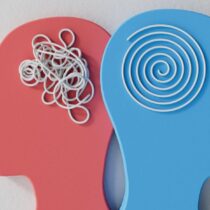
Emotional Dysregulation: The Unseen Struggle
One of the most neglected areas of ADHD is emotional dysregulation. Individuals with ADHD might experience feelings more intensely and have difficulty regulating those sensations in the moment. A small defeat may cause an outburst, or a minor comment can be interpreted as profoundly hurtful.
These responses are not something to overdramatise about they’re a function of the brain’s inability to regulate emotions. With time, these overwhelming emotional reactions can lead to anxiety, depression and other comorbid psychiatric conditions. Emotional dysregulation can also undermine self-esteem, particularly if friends, family or colleagues misunderstand.
These struggles socially may lead to stigma.
ADHD doesn’t happen in isolation, it impacts social relationships and interactions significantly. Most individuals with ADHD interrupt others, forget crucial details or appear inattentive, even when attempting to do their best to participate. Such behaviours pressure friendships and love relationships, usually leaving the affected person isolated and misunderstood.
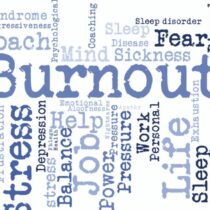
In occupational and educational settings, the ongoing struggle to look “normal” can result in masking and dismissing symptoms to blend in. Though it allows the person to perform for the moment, it’s psychologically draining and results in burnout. Stigma around ADHD, especially among adults, adds to the notion that those with the condition are flaky or immature, which causes them to avoid asking for help or support.
Diagnosis: A Beginning, Not an End
A diagnosis of ADHD can be both liberating and daunting. On the one hand, it is a model for explaining lifelong challenges; on the other, it usually delivers a tidal wave of “what ifs”, What if I’d known earlier? What if I’d had help sooner?
It’s critical to understand that the DSM-5 criteria are a beginning point, but they don’t reflect the lived experience of ADHD. Many are underdiagnosed as women and non-binary individuals, whose symptoms fall outside the classic hyperactive stereotype. Instead, they may be described as anxious, moody, or disorganised, labels that mask their struggles’ real roots.

The Path to Support: Medication, Therapy, and Lifestyle
No single answer exists for how to deal with ADHD. Stimulant drugs can be a lifesaver for most, but they’re not a cure. Medication is most effective when complemented by therapy, behavioural guidance, and changes to lifestyle and environment.
Cognitive Behavioural Therapy (CBT) and ADHD coaching can assist individuals in developing coping skills, enhancing time management and addressing self-destructive thought patterns. Establishing structure, using calendars, reminders or charts can help make everyday tasks easier. Regular exercise, proper sleep and a healthy diet contribute significantly to symptom management.
Support networks are essential. Parents, teachers, peers and employers need to be educated about ADHD to offer the understanding and adaptations that enable individuals to succeed instead of merely to exist.
Embracing Neurodiversity
ADHD is part of the larger neurodiversity movement, a push to accept that brains are different and that difference should be valued, not pathologised. Individuals with ADHD frequently offer creativity, spontaneity and out-of-the-box problem-solving. They might succeed in high-tempo systems, business start-ups or the arts. But to leverage these assets, they require spaces that appreciate their differences rather than punish them.
ADHD is more than distraction or hyperactivity. It’s a condition that touches all aspects of life, emotionally, socially and functionally. Diagnosis is only the first step. What is essential is the knowledge that comes after, from professionals, families, institutions and society.
If we can get past the diagnosis, we can realise that ADHD isn’t a deficit but a divergent way of experiencing the world, one that, with appropriate support, can be no less rich, successful and rewarding than any other.