

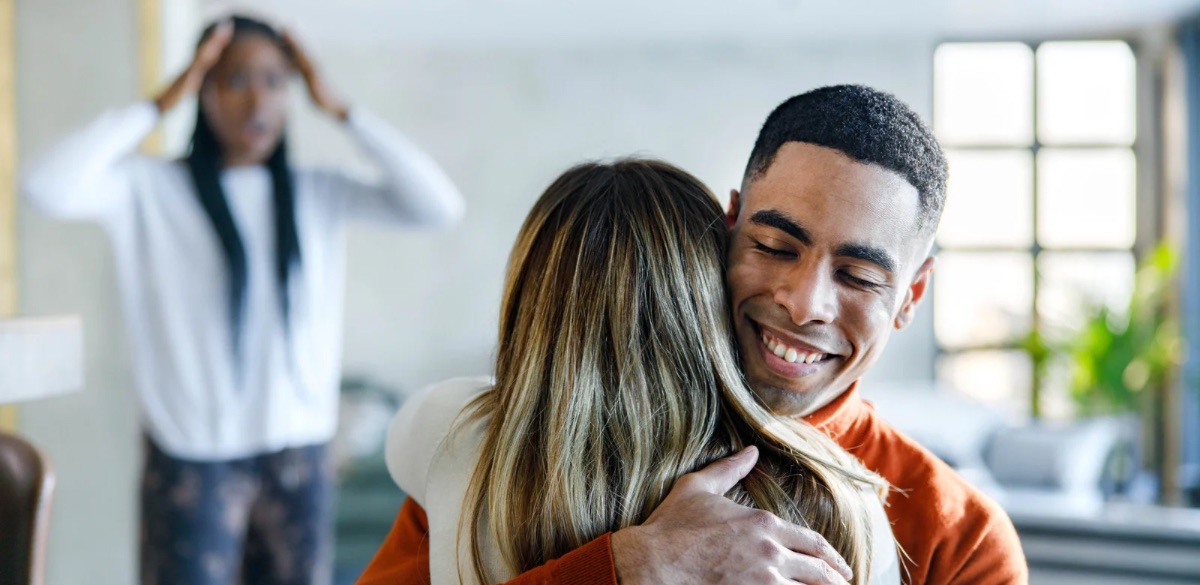
Infidelity is often met with confusion and disbelief, especially when it involves someone who appears to “have it all”. Wealth, status, a loving partner and even children don’t always stop people from straying. Given the recent rise in instances of cheating and infidelity let’s dive right into the psychology of why do people cheat?
The answer isn’t simple. Cheating isn’t always about sex or dissatisfaction. It often reflects deeper emotional needs, unresolved personal issues, power dynamics or a fractured sense of identity. This article explores the psychological patterns behind infidelity, especially in successful or high status individuals and helps make sense of why betrayal happens even in the most enviable relationships.
Infidelity: More Common Than You Think
Research suggests that more than 20-25% of married individuals will engage in infidelity at some point in their relationship. The rise of dating apps, emotional affairs and social media flirtation has blurred the lines between “harmless interactions” and full-blown betrayal.
Contrary to the stereotype, cheating isn’t confined to broken marriages or neglectful partners. In fact, many people report feeling happy in their relationships, even as they cheat. This contradiction is at the heart of infidelity psychology.
Why People Cheat Despite “Having It All”
The Need for Novelty and Excitement
Human brains are wired for novelty. The “honeymoon phase” of a relationship brings a dopamine rush, but over time, routine sets in. For some, especially those addicted to stimulation, cheating becomes a shortcut to recapture that thrill.

The Ego Boost
Being desired by someone new can feel intoxicating. For people in positions of power (like CEOs or celebrities), external admiration reinforces their inflated self-image. Cheating becomes less about the partner and more about feeling wanted, special or invincible.
Emotional Unmet Needs
Even in successful partnerships, subtle emotional gaps can build up. A partner may feel unheard, unseen or emotionally distanced. Rather than confronting discomfort or seeking repair, some turn outward, for validation and emotional connection or comfort.

Entitlement and Moral Licensing
Research shows that some high-status individuals believe they’re “above the rules.” This phenomenon, known as moral licensing, suggests that doing good (being a provider, parent or public figure) gives someone internal permission to behave badly elsewhere.
Fear of Intimacy
Ironically, some people cheat not because of disconnection, but because they fear how close and vulnerable they feel with their partner. Cheating then becomes a way to sabotage emotional intimacy, often unconsciously.
Self-Destructive Patterns
People with unresolved trauma, low self-worth or abandonment fears may cheat as a form of self-sabotage. This logic is distorted: “if I destroy this before it destroys me, I’m in control.” This reflects deep psychological wounds, not a lack of love.
Cheating and the Brain
Infidelity lights up the reward system of the brain, especially the dopamine circuit. Just li gambling or substance use, affairs can become addictive. The thrill, secrecy and risk create a cycle that’s hard to break, even when guilt is present.
This explains why some individuals feel remorseful yet continue their behaviour. The impulse control center (prefrontal cortex) is overridden by reward-seeking behaviour, especially in people with poor emotional regulation skills.
The Role of Attachment Styles
Attachment theory plays a key role in understanding chafing behaviour:
- Avoidant Attachment: People with avoidant tendencies may resist deep emotional closeness. Cheating becomes a way to maintain distance and avoid vulnerability.
- Anxious Attachment: Those with anxious styles may seek constant reassurance or fear abandonment, sometimes leading to affairs as “insurance” against rejection.
- Secure Attachment: Individuals with secure attachment are more likely to communicate their needs and work through dissatisfaction without betrayal.
Cheating is often a coping mechanism, a destructive one, used to manage inner chaos.
Is it About the Partner?
Surprisingly, most infidelity has little to do with the betrayed partner’s attractiveness, intelligence or behaviour. It’s often a reflection of the cheater’s inner world, unmet emotional needs, fear, boredom, identity struggles or a desire to reclaim lost parts of themselves.
Of course, relationship dynamics do play a role, but blaming the betrayed partner misses the deeper impact: cheating is a choice, even when it’s driven by an unconscious process.
The Social Mirror: Image vs Integrity
Public scandals involving powerful figures expose another layer of infidelity: the performance of morality. Many cheaters maintain an external image of loyalty, kindness or family devotion while secretly engaging in deception. The psychological split is a form of compartmentalisation, the ability to separate actions from infidelity.
This dual life is often sustained by charisma, influence and manipulation, which makes accountability even harder. It also makes the betrayal feel sharper for those who once admired them.
Healing from the fallout of Infidelity
Whether you’re the one who cheated or the one betrayed, healing requires courage and honest reflection.
For the betrayed:
- Name your emotions: Grief, rage, confusion— are all valid.
- Drop the self-blame: Infidelity is never your fault.
- Seek support: Therapy, community and safe conversations help process betrayal trauma.
- Rebuild trust: With yourself first and then others, when you’re ready.
For the one who cheated:
- Take full responsibility: without justifying or minimising.
- Reflect: on your emotional needs and destructive patterns.
- Get help: Therapy can impact the deeper reasons behind the betrayal.
- Re-earn trust slowly: if the relationship continues
Infidelity breaks more than hearts, it shakes the foundation of safety. But with work, people can grow from the wreckage. Some relationships end, some transform and both outcomes can be valid.
Infidelity isn’t random. It often reveals unmet needs, identity confusion or emotional avoidance. Especially among high-status individuals, it can reflect how power, ego and entitlement distort moral decision making.
But cheating also creates space for deeper questions: What am I running from? What do I truly need? Can I face myself honestly?
In relationships and in healing, the most powerful change begins not with blame but with self-awareness.

