

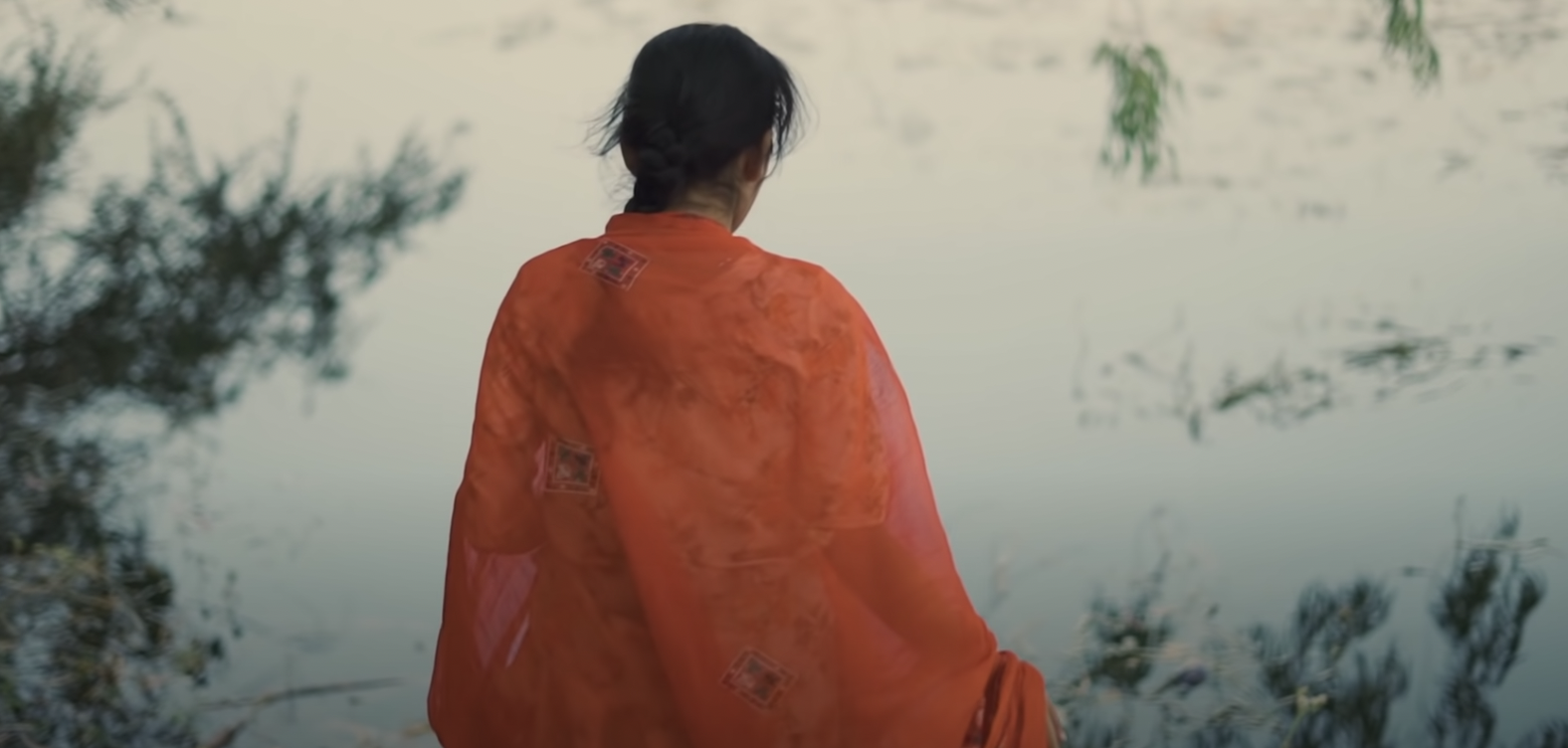
“Water, water everywhere, nor any drop to drink”. Samuel Coleridge’s lines always caution us to save our valuable natural resources. Imagine what the world would be like if all the water on our home planet vanishes. Imagine if billions of people came fighting for a few gallons of water. Survival would become a competition and life would be in turmoil.
India has already witnessed a similar situation, not just once, but many times before in history. Under British rule, many parts of India were severely stricken with famine, lasting for even decades, in the 19th century. The short film, ‘1869’, is an apt depiction of one such severe famine that affected major parts of Rajasthan (then known as ‘Rajputana’) between 1868-1870. Around 1.5 million people lost their lives due to shortage of fodder and water while many migrated to the relief work arranged by the British in Ajmer. The conditions improved after the heavy monsoon by the end of 1869, but with it came an outbreak of malaria in the region due to heavy rainfall. As a relief, the conditions improved with the harvest of 1870. The film brings out the sheer reality of the calamity in a simple yet touching way.
Written and directed by Gaurav Prabhakar Mali and presented by The Raw Films, ‘1869-When India Faced the Worst’ is a historical-fiction, inspired by true events of the famine-stricken Rajputana. The well-written plot and commendable performance by the star caste brought laurels to the film. ‘1869’ was officially selected in 5 international film festivals and won The Next International Short Film Festival 2020 Award.
What makes ‘1869’ a must watch is the plot, well-threaded in emotions, struggles, tragedy and facts. Lachmi, a mother to-be and a wife, portrayed by Palak Kayath, and Makhan, portrayed by Raghav Gurjargour, brought their characters to life with their acting. Makhan, a helpless father to-be and a poor peasant of Rajputana, who chose to cover miles on foot in search of water, fodder and a good life rather than being a slave to the British and migrating to Ajmer. And his wife, Lachmi, came along with him as his shadow. The scorching sun of summer, barren lands as far as the eyes saw, a pregnant woman, a penny-less man with just a bottle of water. Where will their paths lead them to and will they both make it to the lands of ‘guava orchards and fresh water bodies’? The answers shall only be found in the film.
All in all, revisiting history compels us to think of the future and so does this short film. The film not only surfaces the distressing truths of the colonial government in past but also warns us to sustain our resources for the future. The resources on which the very existence of mankind is based. The film has simply reflected the conditions we all would be led into if we don’t stop taking the gifts of nature for granted. It’s not just today that we have to survive. Mankind has many generations to come.

