
Editor's Pick
Levelling Fields: Looking Towards An Equal Future
On this Women’s Day, we take a look at some incredible women who are juggling, defying socio-cultural barriers and saving the world.


The world we knew a while ago no longer exists. It is now a new normal that we follow, where we are careful about standing a little too close to others, where every day is another opportunity for us to catch a disease we have become all too familiar with. In light of the pandemic that has hit the world and our gradual recovery from it, our attempts to rebuild the world must take into consideration the opportunities that are being presented. We have to ask ourselves whether these opportunities are truly equal, whether we are including women into the decisions we make, the decisions that will go on to influence the future we live in. An equal future, where women are equally in positions of power and leadership, is what the focus should be on.
With this in mind, on this Women’s Day, we take a look at some incredible women who have defied deep rooted socio-economic and cultural barriers to establish themselves in a field that are predominantly male oriented, who are not only pushing against societal and cultural barriers but also working tirelessly to make the world, we live in, a safer place.
Dr. Priya Abraham, Director, National Institute of Virology, Pune
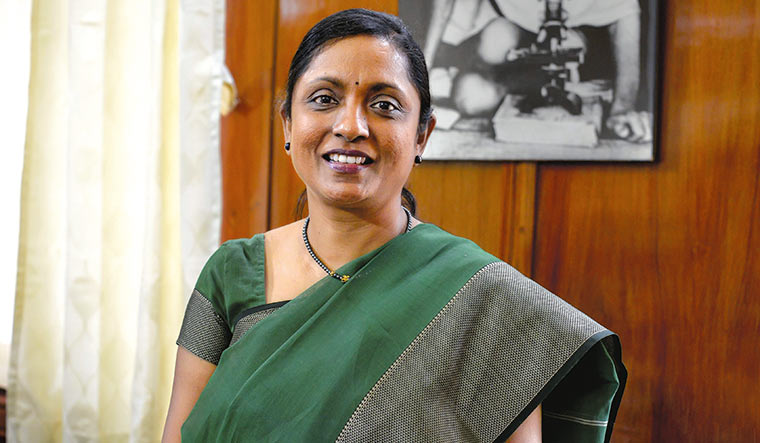
Director of the National Institute of Virology, Pune, the leading national institute that tests for the novel coronavirus, Dr. Priya Abraham is the mind behind leaps we have taken, as a country, in fighting against the disease. Dr. Abraham and her team were the ones who successfully isolated the SARS CoV-2 virus in India on March 9th, 2020, making the country the fifth one to do so. As she explains, for the layman, isolating a virus presents numerous opportunities in helping understand the nature of a virus, what drugs it is susceptible to and, most importantly, in the development of future vaccines. The coronavirus, as explained by her, is difficult to propagate in regular culture tests. Working tirelessly and testing over a thousand samples in the lab, Dr. Abraham and her team were responsible for providing the basis for others to further develop vaccines for the disease.
Dr. Renu Swarup, Secretary, Department of Biotechnology, Ministry of Science and Technology, Government of India

Dr. Renu Swarup, Secretary, Government of India, heading the Department of Biotechnology, Ministry of Science and Technology, is an important leading figure in the current atmosphere. Under her leadership, the Department of Biotechnology (DBT) is overseeing the development and commercialization of vaccines in the country. The importance of having a large basket of vaccines available is what Dr. Swarup puts emphasis on. Each indigenious vaccine for the coronavirus, due to being developed by different platforms, has its own set of challenges and benefits. Thus, it is important to have multiple vaccines, being developed and passed through clinical trials, in order to pick the best among the lot. Dr. Swarup, overseeing the efforts of the DBT, plays a crucial role in helping the country prepare and select a remedial course of action in fighting COVID-19.
Dr. Nivedita Gupta, Senior Scientist, Indian Council of Medical Research (ICMR)

Dr. Nivedita Gupta, a Senior Scientist at the Indian Council of Medical Research (ICMR), plays a, somewhat, dual role of science and management in the national effort to combat COVID-19. Initially, a small team of scientists at the ICMR came together to create a network of laboratories in the country for the easy identification and diagnosis of viral infections. Dr. Gupta was the one who led this project. At the outset, they set up 15 labs that came equipped with state of the art technology and specialities that dealt with molecular virology. After the COVID-19 outbreak in December of 2019, Dr. Gupta has, since January of 2020, gone on to set up over 500 laboratories and counting, in order to improve India’s diagnostic capacity for the testing and treatment of COVID-19. She and her team are the ones who serve as the backbone for those who are trying to help develop an end to the disease.
Dr. Sumathy K., Head of Research and Development, Bharat Biotech
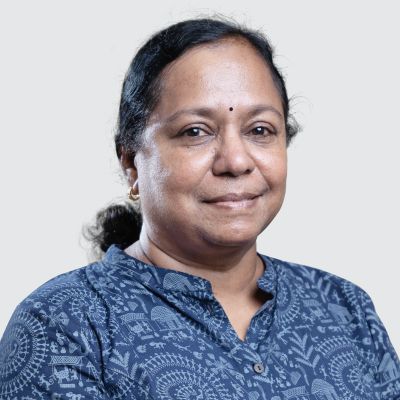
Head of Research and Development at Bharat Biotech, Dr. Sumathy K. is one of the core members of the team who developed Covaxin, India’s first indigenously developed and mass produced vaccine. This, in fact, is not the first time that Dr. Sumathy K. has been responsible for the development of vaccines for dangerous viral infections. Indeed, she was the mind behind the development of the vaccines for Chikungunya and Zika for the company. It is, indeed, a tremendous achievement, in terms of the development of Covaxin, as this is the first time that an Indian based biotechnological company has been able to pace itself and kept up with the strides of the giant pharmaceutical companies of the West. Dr. Sumathy K.’s efforts, bolstered by the efforts of those researching and testing the coronavirus strain, is the first step into recovering the life we had before the pandemic began.
Dr. Nita Patel, Senior Director, Novavax

Dr. Nita Patel, currently a Senior Director for the vaccine development programme at Novavax, is another such individual who is heading the development of a vaccine for COVID-19. Under her guidance and leadership, the team, responsible for the development of a vaccine for coronavirus, at Novavax has been able to produce a vaccine, NVX-CoV2373, that is tested for 89.3 percent efficacy in its third phase of clinical trials. The vaccine could be cleared in the US as early as May. Dr. Patel’s efforts in the development and the clinical trials of a vaccine, that could make our new normal a safer place to live, must be recognized. Rising from rural poverty in India, Dr. Patel has come a long way and is driven to make the world around her a little safer.
It is important to realize that the efforts of these women all feed into each other. Research and Diagnosis, Treatment and, finally, Management are all important aspects in the battle against COVID-19. Now more than ever, we must recognize the importance of levelling the field for women in all fields, in the hopes of building a world that is truly equal for us all. After all, without these women doing what they do, we would still be faced with the very real possibility of being stuck in the bleak reality that hit us two years ago.


Editor's Pick
Parkinson’s Awareness Month
It’s a time to raise awareness, dispel myths, and foster understanding. Let’s delve deeper into the intricacies of Parkinson’s.


Parkinson’s Awareness Month, observed annually in April, serves as a vital reminder of the challenges faced by millions worldwide living with Parkinson’s disease. As advocates for mental health, it’s imperative to shine a spotlight on Parkinson’s as it affects physical and psychological health and also significantly impacts the well-being of those around them.
DISCLAIMER: THE CONTENT PROVIDED HERE IS FOR INFORMATION AND AWARENESS PURPOSES ONLY. FOR MEDICAL DIAGNOSIS PLEASE CONTACT YOUR HEALTH CARE PROVIDER.
Understanding Parkinson’s:
Parkinson’s disease is a degenerative condition with tremors, stiffness, slow movements, and balance issues. Doctors diagnose it by observing these symptoms. Treatment restores dopamine with medication, deep brain stimulation, or surgery- Rajput and Noyes (2024).
Parkinson’s Disease is a progressive neurodegenerative disorder that primarily affects movement. However, its impact extends far beyond physical limitations. Individuals with Parkinsons’ Disease often experience a plethora of mental health concerns such as depression, anxiety, cognitive impairment and sleep disturbances. These psychological challenges can exacerbate the burden of living with Parkinson’s, leading to a feeling of decreased quality of life and increased caregiver stress.
Dispelling Myths and Stigma:
One of the biggest myths that we have come across in our line of work is the misconception that Parkinson’s is an “Old Person’s Disease”. It can affect individuals of all ages, including young adults and children. By dispelling these myths and combatting stigma, we can create a more inclusive and supportive environment for those living with Parkinson’s and their families.
Empowering Hope Through Education:
By increasing awareness and understanding of the disease, we empower individuals to seek early diagnosis, access appropriate treatment and engage in proactive self-care strategies. Moreover, education fosters empathy and compassion, encouraging communities to rally behind those affected by Parkinson’s and provide much-needed support.
Supporting Mental Health:
By advocating for mental health awareness, we recognise the impact of Parkinson’s on psychological well-being. Individuals with Parkinsons’ Disease may struggle with feelings of isolation, frustration and fear about the future. It’s crucial to prioritise mental health support services such as counselling, support groups and peer mentorship programmes to address the emotional needs of those living with Parkinson’s and their caregivers.
Taking Action:
Going forward, from this Parkinson’s Awareness Month, let’s unite in solidarity to amplify our voices, advocate for research funding and champion policy changes that improve the lives of individuals with Parkinson’s. Together, we can break down barriers, foster understanding and create a world where those living with Parkinson’s are supported, empowered and celebrated for their resilience and strength.
By shining a light on its impact on mental health, we can create a beacon of hope and solidarity. Together, we can inspire hope and make a difference in the lives of millions worldwide.
Editor's Pick
Brij Narayan: Mastering the Melody of Sarod
Journey through the life and music of Brij Narayan, an Indian sarod virtuoso who mesmerises the world with his soulful tunes.

Brij Narayan is a renowned Indian classical musician who is celebrated for his mastery of the sarod. His musical journey, spanning decades, reflects dedication, talent and a deep-rooted passion for classical music.
Early Life:
Brij Narayan was born into a family deeply entrenched in classical music on April 25th 1952. His father, the legendary sarangi player Ram Narayan, imparted musical wisdom from an early age. At the age of 7, young Brij picked up the sarod. He was inspired by its harmonious blend of melody and percussion. Despite brief tutelage under notable musicians like Ali Akbar Khan, Brij returned to his father’s guidance, recognising the invaluable legacy he inherited.
Career Highlights:
Narayans’ musical prowess blossomed early, earning him accolades such as the President’s Gold medal at the All India Radio Instrumentalist Competition in 1967. Narayan embarked on a journey across continents after graduating from the University of Mumbai in 1972. He faced prestigious stages such as the Munich Olympics to concert halls in Africa, Europe and America.
Brij Narayan collaborated with renowned artists like Zakir Hussain, who explored diverse musical landscapes. His foray into cinema as a performer and composer added new dimensions to his artistic repertoire. Notable contributions include his role in the 1978 film “Main Tulsi Tere Aangan Ki” and composing music for the 1988 film “The Bengali Night.”
Recognition wasn’t far and followed Narayan’s unwavering commitment to his craft. Awards such as the Dagar Gharana Award and the prestigious Sangeet Natak Akademi Award for Hindustani instrumental music- Sarod underscored his influence on Indian classical music. Music critics, including Neil Sorrell, lauded Narayan as one of the foremost sarod players of his time, cementing his legacy in the annals of classical music history.
Family and Legacy:
Behind the curtain, Brij Narayan cherishes family and nurtures the next generation of musicians. His son, Harsh Narayan, following his father and grandfather’s footsteps, embraces the sarangi with equal passion. Together, they enchant audiences, continuing the musical legacy passed down through generations. Narayan’s commitment to music extends beyond performing; through the Pt Ram Narayan Foundation, he empowers aspiring musicians by offering scholarships to Sarangi students.
Brij Narayan’s journey epitomises the essence of classical music- a harmonious blend of tradition and innovation. His virtuosity on the sarod and contributions to Indian Classical music enrich cultural landscapes worldwide. He is leaving an indelible mark on future generations.
Editor's Pick
Social Conformity in Teenagers
Discover the impact of social conformity on teens and how to empower them through peer pressure, family support, and digital resilience.


Social Conformity is a widely known human phenomena which elucidates us as social beings. It is the variability of the person to “conform” which is give-in to the situation happening around them so they do not feel embarrassed or feel different and confronted with others in the same situation . For example, when in a social group, you are asked about the famous movie “Charlie and the chocolate factory” and everyone around you has watched it. The tendency to “conform” to watching it even though you haven’t is much more than admitting to them that you didn’t. This phenomenon is known as Social Conformity. It is the inclination for the person to “fit in” to the social norms where you may feel different and also not the same as everyone around you.
We have all been in situations which may have led us to socially conform and the frequency of this phenomenon differs from person to person. As a whole, Social Conformity is a human tendency noticed in abundance in teenagers. Teenagers are age groups ranging from 13-19 who are hormonal and have their own wants and needs developed during this phase leading them to also conform to social pressure.
There are two types of Conformity, which are:
Normative social conformity: Conforming to social norms and expectations to gain acceptance, approval, or avoid rejection or punishment. Normative social influence is driven by the desire to fit in with others and maintain social harmony, rather than a genuine belief in the correctness of the behavior. Imagine a high school student attending a party where alcohol is being served. Even though they don’t personally believe in underage drinking, they might feel pressured to have a drink because everyone else is doing it, and they want to fit in and avoid being seen as “uncool” or socially awkward.
Informational social conformity: Conforming to the beliefs or behaviors of others because of a desire to be correct or accurate in uncertain or ambiguous situations. Individuals may look to others for guidance or information when they are unsure about how to behave or interpret a situation. Suppose someone is attending a cooking class for the first time and is unsure about how to properly chop vegetables. They observe the instructor and other participants, noting their techniques and following their lead to ensure they are doing it correctly. In this scenario, the individual relies on the expertise of others to learn the skill effectively.
Cognitive Perspective
Cognitive refers to the brain processes (attention, perception, decision-making) in humans and a cognitive perspective is necessary to understand the underlying brain processes that involve when a person is demonstrating the phenomena of social conformity. It gives an insight into how and what really leads a person to conform which is found to be necessary to understand a teenager’s perspective from the viewpoint of the parents. Few of the theories of cognitive perspectives include:
- Reinforcement learning: Reinforcement learning is a cognitive theory that suggests individuals learn and adapt their behaviors based on the consequences of their actions. In the context of social conformity, reinforcement learning posits that people conform to social norms or behaviors based on the positive or negative consequences they experience as a result. For example, if a teenager receives praise or acceptance from their peers for conforming to a particular fashion trend, they may be more likely to continue adhering to that trend in the future. This positive reinforcement strengthens the association between conforming behavior and social approval, making it more likely for the teenager to conform again in similar situations.
- Conformity bias: Conformity bias refers to the tendency of individuals to adjust their beliefs, attitudes, or behaviors to align with those of a majority group, even if doing so contradicts their own perceptions or judgments. This bias arises from the desire to avoid social rejection, gain acceptance, or maintain harmony within the group. For example, if a group of teenagers is discussing their opinions on a controversial topic, such as politics or social issues, individuals may feel pressure to conform to the prevailing viewpoint expressed by the majority, even if they privately disagree. This conformity bias can lead individuals to suppress their own perspectives or doubts in order to avoid standing out or being perceived as deviant within the group
- Intrinsic utility: A theory of conformity was proposed by B. Douglass Beenheim called the intrinsic utility model related to status of a person. In this model, people care a lot about how others see their natural inclinations, even though these inclinations can’t be directly seen. So, people’s actions become signals of what they’re really like, affecting how they’re viewed by others. When fitting in socially is more important than personal happiness, many people follow the same rules of behavior, even if they prefer different things. They do this because they know that even small deviations from these rules can hurt how others see them.
The ways in which teenagers conform to social pressure is given as follows:
Peer Pressure
Peer pressure is perhaps the most widely recognized form of social conformity among teenagers. Adolescents often find themselves influenced by their peers to adopt certain behaviors, attitudes, and even fashion choices to fit in with their social group. This pressure can manifest in various ways, such as conformity to norms within cliques, participation in risky behaviors to gain acceptance, or even altering one’s appearance to align with perceived ideals. Research suggests that the need for peer acceptance and fear of rejection can significantly impact teenage decision-making, leading to conformity even when individuals may have reservations.
Family Pressure
While peer pressure garners significant attention, family pressure also plays a crucial role in shaping teenage behavior and beliefs. Adolescents often face expectations from their families regarding academic achievement, career choices, and adherence to cultural or familial traditions. Considering a country like India, it seems that the prevalence of familial pressure is higher. These expectations can exert a considerable influence on teenagers, leading them to conform to familial norms and values. Family pressure can range from subtle suggestions to explicit directives, and the desire for parental approval can drive adolescents to conform, sometimes even at the expense of their own desires or beliefs.
Social Media
In today’s digital age, social media platforms wield substantial influence over teenage behavior and self-perception. Adolescents are exposed to curated representations of lifestyles, body images, and social activities, often leading to comparisons and feelings of inadequacy. The pressure to conform to online trends, emulate influencers, and gain validation through likes and comments can be overwhelming for teenagers. Moreover, the anonymity and distance provided by social media can facilitate the spread of unrealistic standards and cyberbullying, further exacerbating the pressure to conform. Research indicates that excessive social media use is associated with heightened levels of stress, anxiety, and depression among adolescents, highlighting the impact of digital pressures on teenage conformity.
Tips for parents to handle the teenager’s susceptibleness to social pressure
Educate about peer pressure: The susceptibility and compliance to peers is considerably higher in teenagers, therefore education regarding the potential influence they might experience is necessary for a better development of the teenagers. Teaching teenagers about peer pressure involves helping them recognize the difference between positive and negative influences from their peers. By equipping them with critical thinking skills and assertiveness techniques, parents can empower teenagers to make informed choices and resist negative peer pressure while fostering positive social interactions.
Providing open communication: Fostering an openness in communicating with your teenage children helps in giving them a window of opportunity to share their intricacies and complexities. This open dialogue cultivates trust and strengthens the parent-child relationship, allowing teenagers to feel supported and understood. By actively listening and empathizing with their experiences, parents can better guide their teenagers through the challenges of social pressure and promote healthy decision-making.
Monitoring social media usage: Monitoring the usage of social media is extremely intricate in the social conformity they might experience. Social media gives them an unrealistic expectation of how they are supposed to look like, how they are supposed to live and many more. This forms a key role for the parents to monitor their actions and activities. Teenages might not respond well to the monitoring because of the independence they crave for but if explained in a healthy way, they understand the perspectives and the negativity the parents are trying to explain to them about social media.
Portray healthy coping mechanisms: It is very likely that a teen experiences social conformity, but as a parent to elucidate healthy coping mechanisms like practicing mindfulness, journaling, creative outlets, positive self-talk and many more can help these teenagers cope healthily and make their lives better.
Seeking professional help- If the parents notice significant changes in your teenager’s behavior, mood, or social interactions, consider seeking guidance from a mental health professional or counselor. Professional support can provide additional strategies for addressing social pressures and promoting your teenager’s well-being.
Overall, Social conformity in teenagers is a multifaceted phenomenon shaped by peer, family, and digital influences. While peer pressure is often highlighted, family expectations and social media also exert significant sway over adolescent behavior and beliefs. Understanding the interplay between these various sources of influence is crucial for supporting teenagers in navigating social pressures and fostering healthy autonomy and self-expression. By fostering open communication, promoting critical thinking skills, and encouraging authentic self-discovery, parents, educators, and society can empower teenagers to resist harmful conformity and cultivate resilience in the face of social pressures.
Editor's Pick
5 Hidden Gems: Lesser Known Literary Gem of a Writer From India
We bring to you a few literary gem of a writer who are either forgotten or not recognised on the occasion of World Book Day.


In this fast-paced world where thoughts travel faster than souls through the various realms, it has become hard to find writers who are truly exceptional in their field. With commercialisation as the goal, many writers have compromised their writing to reach out to the masses. Yet among them stands a few such literary gems who have stood the test of time but are either forgotten or not recognised. Today we shed light on these gems on the occasion of World Book Day.
Bama Faustina Soosairaj
Bama, otherwise known as Bama Faustina Soosairaj, was born in the year 1958. She is a Tamil Dalit feminist, educator and writer who has written multiple novels and short stories. Her book Karukku, an autobiographical novel published in 1992, details the various triumphs and tribulations that Dalit Christian women encounter in Tamil Nadu. Furthermore, Bama has authored two more novels, Sangati (1994) and Vanmam (2002), as well as three collections of short stories, namely Kusumbukkaran (1996), Oru Tattvum Erumaiyum (2003) and Kandattam (2009). Bama’s impressive bibliography includes twenty short stories making her a true literary gem of India.
Easterine Kire
Easterine Kire, a writer and poet residing in the northern part of Norway, draws inspiration for her literary works from the real-life experiences of the people of Nagaland, situated in the northeastern region of India. In an interview, she expressed her compulsion to develop written literature in the Naga language, stating, “I sensed a need to generate a body of Naga literature. While we possess an extensive repertoire of oral narratives, they will all dissipate as the oral tradition fades away.” Kire’s artistic pursuits are not restricted to writing alone, as she collaborates with Jazzpoesi, a musical group, to deliver performances comprising Jazz poetry.
Jerry Pinto
Jerry Pinto, a luminary born in 1966 and based in Mumbai, is a Mumbai-based writer, poet, and journalist, known for his works that explore mental health, gender, and sexuality. He has a multitude of accomplishments to his name including his prowess as a poet, novelist, short story writer, translator and journalist. Pinto’s vast body of work comprises several notable pieces, namely Helen: The Life and Times of an H-Bomb (2006), Surviving Women (2000) and Asylum and Other Poems (2003). In 2012, his masterpiece Em and the Big Hoom was released, marking his debut as a novelist. The quality of his fiction was recognised when he was honoured with the distinguished Windham-Campbell Prize in 2016. Moreover, the celebrated wordsmith was conferred the highly coveted Sahitya Akademi Award in 2016 for his aforementioned magnum opus, Em and the Big Hoom, a true literary gem indeed.
Manoj Das
Hailing from Balasore, Odisha, Manoj Das is a bilingual Odia writer who writes in both Odia and English. A true master of dramatic expression, he believes that characters follow the theme of the story and words are merely added to represent their thoughts. A firm believer in letting his characters speak their stories, his characters hail from different backgrounds, adding new flavours to his fiction and different dimensions to human nature. Some of his famous works in Odia include Shesha basantara chithi (1966), Manoj Dasanka katha o kahani (1971), Dhumabha diganta (1971), etc. Some of his major works in English include The Crocodiles Lady: A Collection of Stories (1975), Farewell to a Ghost: Short Stories and a Novelette (1994), Cyclones (1987), A Tiger at Twilight (1991), etc.
Perumal Murugan
A man who remains true to his roots, Perumal Murugan is a writer who keeps the village that nourished him close to his heart. A chronicler of the ordinary man of India, Murugan is a writer for whom the village of India is his playground and their tales and the change of seasons are his background. The way he captures the intimate details of village life with a brutal tone is what is bound to make everyone think twice before dismissing his works. A true artist who is dedicated to his craft he decided to stop writing briefly around 2015 and declared, “Perumal Murugan the writer is dead. As he is no God, he is not going to resurrect himself. He also has no faith in rebirth. An ordinary teacher, he will live as P. Murugan. Leave him alone.” after being harassed by right-wing groups who objected to the portrayal of the characters and Hindu gods in his book, One Part Woman (2010). It was only after the Madras High Court supported his stance, dismissed the concerns of the opposition and further ordered the state government to provide appropriate protection when artistic or literary people are under attack, did Murugan picked up his writing pen once again. Some of his notable works include Poonachi: Or the Story of a Black Goat (2017), Pyre (2013), One Part Woman (2010), etc.
This World Book Day we celebrate all the writers, especially the not-so-popular ones. The ones who create literary masterpieces, more for their soul than for the readers. It is such works that creates ripples in the minds of people and carve a niche for the future, beyond their times. Wishing all the readers and writers, a happy World Book Day!
Editor's Pick
Stress Awareness Month
Exploring the Significance of Stress Awareness Month and Strategies for Coping in Today’s Stressful Environment

Stress, a constant companion in our fast-paced world, often hides in the shadows, impacting our mental and physical health. Recognizing its profound influence on our well-being is crucial. Stress Awareness Month, observed annually in April since 1992, is a beacon of awareness, shedding light on the causes and cures of the modern-day stress epidemic, making it a significant event in our contemporary lives.
DISCLAIMER : THE INFORMATION GIVEN BELOW IS FOR INFORMATION PURPOSES ONLY. FOR DIAGNOSIS PLEASE CONTACT YOUR MENTAL HEALTH CARE PROFESSIONAL
Stress is a common psychological factor that can significantly impact our health. Chronic stress has been linked to a plethora of health problems, including cardiovascular disease, weakened immune function, and mental health disorders such as anxiety and depression. By managing stress through relaxation techniques, mindfulness practices and seeking social support, individuals can mitigate its adverse effects on their health.
According to the DSM : acute stress disorder (ASD) can cause marked symptoms of anxiety or increased arousal, such as:
- Difficulty sleeping
- Irritability
- Poor concentration
- Hypervigilance
- Exaggerated startle response
- Motor restlessness
- Recurrent, involuntary, and intrusive distressing memories of the traumatic event(s)
Other symptoms of ASD include:
- Restlessness
- Avoidance symptoms, such as persistent avoidance of memories, feelings, or external reminders of the trauma
- Negative effects on cognition and/or mood
Post-traumatic stress disorder (PTSD) can cause symptoms such as:
- Losing interest in enjoyable activities
- Having feelings of social isolation
- Having difficulty feeling positive emotions, such as happiness or satisfaction
- Memory problems, including not remembering important aspects of the traumatic event
- Difficulty maintaining close relationships
- Feeling detached from family and friends
- Feeling emotionally numb
How to Tackle It :
Recognizing the symptoms of stress is not just crucial, it’s empowering. Whether it’s physical ailments or emotional turmoil, stress can disrupt our lives. From disbelief and fear, to changes in appetite and sleep patterns, the signs of stress demand our attention, signaling the need for proactive intervention. By understanding these signs, we can take control of our well-being and steer ourselves towards a healthier, stress-free life.On account of Stress Awareness Month here are some tips to tackle stress effectively.
Stress is a physiological response to environmental or physical pressure that can affect adults and children. Some signs of stress in adults include:
- Feeling irritable, angry, impatient, or wound up
- Feeling overwhelmed
- Feeling anxious, nervous, or afraid
- Having racing thoughts that you can’t switch off
- Not being able to enjoy yourself
- Feeling depressed
- Feeling uninterested in life
- Feeling like you’ve lost your sense of humor
Some physical symptoms of stress include:
Shallow breathing, Sweating, Racing heart, Headaches, Dizziness, Difficulty sleeping, Nausea, Indigestion, Digestive problems, Weight gain, Muscular aches and pains, and Chest pains.
By disconnecting from negative social media posts, prioritizing self-care, and cultivating mindfulness through meditation and deep breathing, we can manage stress more effectively. These practices are not just coping mechanisms, they are tools of hope and optimism. By nurturing our bodies and minds, we fortify ourselves against the ravages of stress, fostering resilience in the face of adversity and paving the way for a brighter, stress-free future.
Fostering connections with others is not just a way to relieve stress, it’s a lifeline. Whether through heartfelt conversations with loved ones or active participation in community-based initiatives, forging bonds of support can mitigate feelings of isolation and despair. By extending a helping hand to others, we not only allow ourselves to nurture our own well-being but also relieve them from their suffering in the process. In this journey, we are not alone. We are a community, supporting each other, and together, we can overcome stress.
For Children and Teenagers :
Some signs of stress in children and teenagers include:
- Emotional outbursts or increased irritability
- Trouble sleeping
- Worries and fears seem to come out during bedtime
- Withdrawing from others
- Struggles with school
- Frequent headaches or stomachaches
- Increased defiance
When it comes to children and teenagers, the impact of stress can be profound. Traumatic events, such as natural disasters or acts of violence, can destabilise their sense of security, leaving them vulnerable to emotional upheaval. Issues such as grades, peer validation and self-identity formation can also add to this feeling of stress. Parents, caregivers, and educators play a vital role in providing stability and support and offering reassurance and guidance to help young people cope with stress.
Stress Awareness Month is a beacon of hope in our collective journey toward mental wellness. By fostering awareness, dialogue and action, we can dismantle the barriers that inhibit access to mental health resources and support systems. As we navigate the labyrinth of modern life, let us be committed to prioritising mental well-being one conversation at a time.


Parkinson’s Awareness Month

Brij Narayan: Mastering the Melody of Sarod

Social Conformity in Teenagers

5 Hidden Gems: Lesser Known Literary Gem of a Writer From India

Stress Awareness Month

Malota: A Filmfare Nominee Short Film

Henry Louis Vivian Derozio: Bengali Social Reformer

Twilight in Delhi by Ahmed Ali

The Stray Dogs Tales: Rescue For A Cause

Alcohol Use Disorder: Awareness and Affects on Mental Health

Valu: A Marathi Short Film Exposing Politicization of Sand

Throwback Thursday: Jyotirao Phule, The Indian Social Reformer Who Challenged The Caste System

Autism Acceptance Month: The Importance of Neurodiversity

Health Psychology: Nurturing Mind and Body

Reviewing Gunta: A Story of Dreams, Aspirations and Comfort

Remembering Manonmaniyam P. Sundaram

The Device- Digital Consumption in Children

Tips to Appreciate Writings that You Hate

Unveiling the Abstract Realms: Ram Kumar

Taking the First Step: A Guide to Starting Therapy

ADHD: A Much Needed Awareness

Carnatic Maestro: D. K. Pattammal

Dhir Jakharia: From Dreams to Wildlife Frames

World Down Syndrome Day: Cultivating Inclusive Communities

Short Film – AUTSIE | Autism spectrum disorder

Puppetry Art : Strings of Expression

International Day of Happiness: Understanding Happiness

All About The Zzz’s: Sleep and Mental Health

Male Indian Classical Dancers: Time To Break The Stigma

Toxic Work Culture: The Sad Reality We All Live In

Chaara: Human Relationship With Food

Farida Jalal: In The Realm of Cinema, Some Stars Never Fade

Keerthika Govindhasamy: A Love for The Past in The Present

Rakesh Tiwari: A Poet Weaving the Fabric of Life

Exploring Medieval Indian Temples and Their Reflection on Society

Remembering Krishna Nehru Hutheesing: A Legacy

Art and Expression of Emotions in the Context of Mental Health

Crochet Artists to Save The Day!

Geeta Dutt: The Melody Queen of India

Maya: A State of Trance Is A True Eye Opener

Clay Artists To Complete Your Pinterest Look

“All The Best” – Award Winning Short Film

“The Inheritance of Loss” by Kiran Desai

“BATTI” – Award Winning Short Film

Not My Fault: It’s A Dress, Not A Yes

“The Covenant of Water” by Abraham Verghese

Throwback Thursday: E. Gayathri Veena, A Veena Vidushi

Young Instagram Poets To Feed Your Daily Mundane

Unveiling Draupadi’s Untold Saga: Yajnaseni Book Review

Hilarious Stand-Up Shows for A Guaranteed Laughter

Aranmula Kannadi: Your True Reflection

Delhi After 2 Am: A Harsh Reality

Chi Chi (Dirty): Turning a Blind Eye to Social Prejudices by Choice

Half Cake: Every Dream Matters

‘The Vendor of Sweets’ – A Sweet Treat of Self Discovery

Ajeet Cour: A Writer and A Feminist Voice In Indian Literature

Clay Artists For That Perfect Insta Glam or Kawaii Charm

Adjusting the Lamp Called Life To Love Yourself A Little More

“Combat of Shadows” by Manohar Malgonkar

Throwback Thursday: Buddhadeb Bosu – Modernist Bengali Poet and Author

Rewinding the Beats : Remixes and Mashups of 2023

Raj Kapoor: The Revolutionary of Indian Cinema

Ganeshprasad Sridharan: Indian Education Redefined

Remembering Pradeep Kumar – The Iconic Actor of Indian Cinema

The Inspiring Journey Of Feeding India’s Ankit Kawatra

“The Untold” Words In A Love Story Of Two Best Friends

A Whistling Woods International Production: Doliyaan

Raat Baaki Baat Baaki with Jackie Shroff and Divyansh Pandit

Ehsaan Tera : Unplugged Cover by Ami Mishra Ft. Anchal Singh

Plus Minus: A Tribute To The Unsung Hero Major Harbhajan Singh

Mashaal : The Forgotten Soldiers By The Jokers’ Project Ft. Manisha Swarnkar

Safar : An Original Single by Bhuvan Bam Portraying Story of an Artist

The Red Typewriter : A Touching Love Story by Navaldeep Singh

‘Dilbaro’ From ‘Raazi Mellifluously Sung by Saloni Rai

‘Meri Maa’ : A Musical Short Film Ft. Tarannum & Abhinay

‘Meri Maa Ki Beti’ : A Poetic Portrayal by Niharika Mishra

‘Call Center Ke Call Boy Ki Kahani’ by Rakesh Tiwari

‘Jawaab’ : A Poetic Awakening by Kajender Srivastava

Tribute to Avicii By Indian Dancers Amit K Samania & Prakrati Kushwaha

From Failing in Engineering to Co-Founding a Million-Dollar Company : Varun Agarwal

Dum Dum Dumroo : Think Before You Judge

Manpreet Toor’s Magnificent Dance on “Laung Laachi” is Mesmerizing

Mashup of ‘Treat You Better’ & ‘Mann Bharrya’ in Melodious Voice of Semal and Bharti

Reminiscing Classics In Ankit Kholia’s Mellifluous Voice

Sang Hoon Tere : Bhuvan Bam’s Original Single

“Why be biased to complexions?” Aranya Johar Questions the Society

Acoustic Version of Tere Mere Song by Dhvani Bhanushali

Tere Jaisa Yaar Kahan : A Tale of Two Best Friends

“Naino Se”: An Orginal Composition by Pushpendra Barman

‘Tere Mere’ Female Cover by a Young Singer from Haryana, Saloni Rai

Don’t Judge People on Skin Colour, Every Skin Glows : Sejal Kumar

14 Songs on 1 Beat Ft. Knox Artiste

Aranya Johar: A Voice for Change in India – ‘To India: With Love’

The Comic Genius: Rony Dasgupta from The Rawknee Show

A 14 Year Old’s Journey to Making Drones : Harshwardhan Zala

15 Songs in One Beat: Bollywood Mashup by Kshitiz Verma
-
 Editor's Pick3 weeks ago
Autism Acceptance Month: The Importance of Neurodiversity
-
 Short Films2 weeks ago
Valu: A Marathi Short Film Exposing Politicization of Sand
-
 Editor's Pick2 weeks ago
Throwback Thursday: Jyotirao Phule, The Indian Social Reformer Who Challenged The Caste System
-
 Editor's Pick2 weeks ago
Alcohol Use Disorder: Awareness and Affects on Mental Health
-
 Editor's Pick2 weeks ago
The Stray Dogs Tales: Rescue For A Cause
-
 Editor's Pick2 weeks ago
Twilight in Delhi by Ahmed Ali
-
 Editor's Pick1 week ago
Henry Louis Vivian Derozio: Bengali Social Reformer
-
 Editor's Pick1 week ago
Stress Awareness Month